The last physical wall in Western Europe is officially gone.
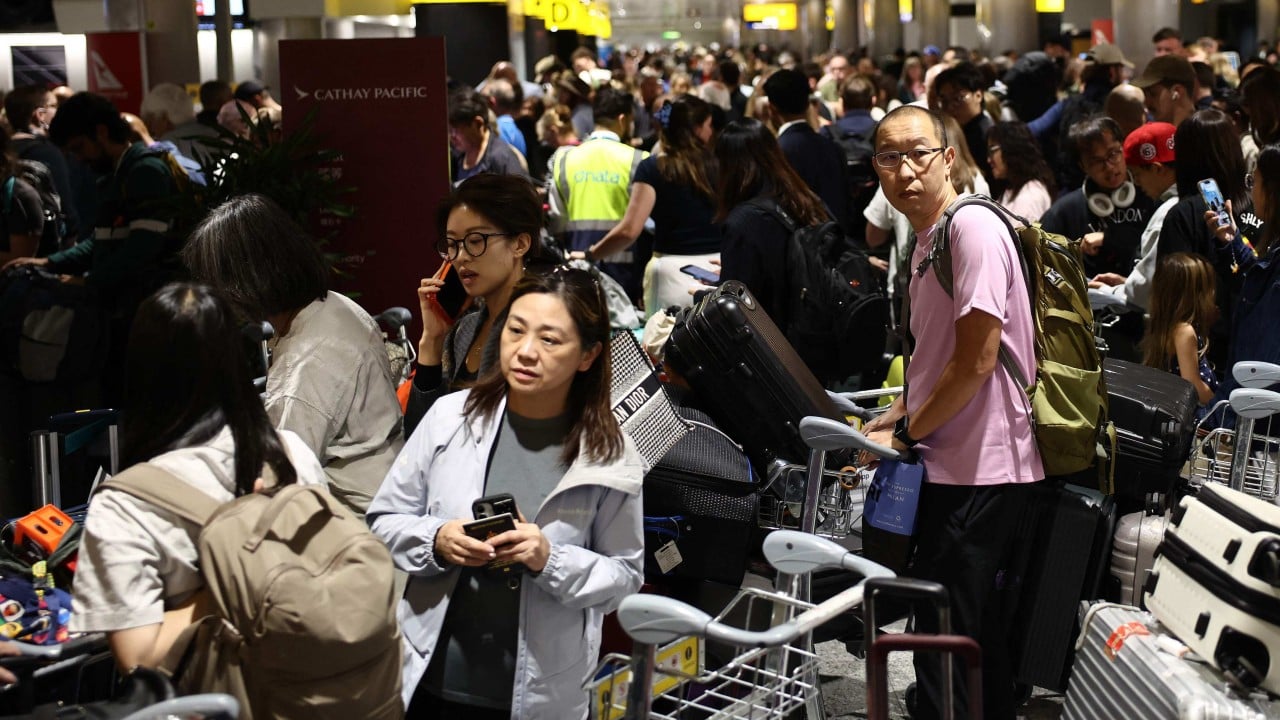
At midnight on July 14, 2026, the border fence separating Spain and the British Overseas Territory of Gibraltar was dismantled. For the 15,000 workers who cross the frontier daily and the 300,000 residents of the surrounding Campo de Gibraltar region, this is not just a political milestone—it is a massive relief. The long, agonizing hours spent waiting in exhaust-fumed traffic jams are suddenly a thing of the past. You might also find this related article insightful: Why Uk Airport Chaos Keeps Happening And Who Pays The Price.
But do not let the images of late-night celebrations, Spanish soccer jerseys, and popping champagne corks fool you into thinking this was an easy win. The 1,018-page treaty signed in Brussels is a complex, delicate compromise that took four grueling years of post-Brexit negotiations to nail down.
Underneath the historic handshakes, the reality is shifting. While the physical fence has crumbled, Gibraltar is quietly transforming into a digital fortress. As highlighted in latest reports by NPR, the effects are worth noting.
What the Gibraltar Spain Treaty Actually Means for Travelers
If you are planning to travel to the Rock, the rules of engagement have completely changed. This is no longer the border crossing you used to know.
Here is exactly how the land, sea, and air rules break down under the provisional application of the treaty:
- The Land Border: Routine passport controls and customs checks between Gibraltar and the Spanish town of La Línea de la Concepción are dead. You can walk or drive straight through.
- The Airport and Port: These are now the official external entry points for the European Union's Schengen free-movement zone.
- The Dual-Check System: When you land at Gibraltar’s airport, you will face a unique, two-stage gauntlet. First, Gibraltar/UK authorities will run their own immigration checks. Right after, you will pass through a Schengen checkpoint managed by Spanish border officials. Think of it like the Eurostar checks in London or Paris.
- Passport Rules: Your passport must now be under 10 years old on the day you enter and have at least three months of validity remaining from your planned departure date.
Important Note for Gibraltar Residents: If you officially live on the Rock, you are legally exempt from these Schengen biometric checks. The treaty specifically ensures that locals will not have their passports stamped or face biometric tracking when moving back and forth.
The Catch: Welcome to the Digital Fortress
While politicians in Madrid, London, and Gibraltar are busy praising the "invisible border," the local security apparatus is pivoting hard toward technology.
You cannot simply tear down a physical barrier without replacing it with something else. That "something" is an aggressive network of high-tech surveillance.
Gibraltar’s Chief Minister, Fabian Picardo, admitted that the territory has deployed live facial recognition cameras at key entry points and across the entire peninsula. Police presence, customs resources, and coast guard patrols have all been significantly scaled up. In Picardo's own words, "The fortress has become a digital fortress now."
On top of the local surveillance, travelers flying in from non-Schengen countries—including the UK—must navigate the EU's recently implemented Entry-Exit System (EES). That means your first arrival will involve facial scans and digital fingerprinting. Later this year, the pre-travel authorization system known as ETIAS will also kick in, adding another layer of digital bureaucracy for British tourists.
Why This Deal Took Four Years of Bitter Fighting
To understand why this agreement is such a big deal, you have to look at the sheer economic dependency of the region.
Gibraltar is tiny, but its economy is a powerhouse. Nearly half of its entire workforce consists of Spanish commuters who cross the border every single day to work in hospitals, construction, and service industries. Without them, Gibraltar's economy would grind to a halt. Without Gibraltar's businesses, the surrounding Andalusian region of Spain—which struggles with chronically high unemployment—would suffer an economic catastrophe.
So why did it take since 2020 to sign a piece of paper?
Sovereignty is a highly sensitive topic here. Spain ceded Gibraltar to Britain in the 1713 Treaty of Utrecht but has never stopped claiming it back. For years, any talk of Spanish police officers standing at Gibraltar's airport was a political non-starter for British negotiators.
The negotiators managed to solve this by explicitly stating in Article 2 of the treaty that the deal is "without prejudice" to either nation's sovereignty claims. Spain keeps its historical claim, the UK keeps its current ownership, and Gibraltar stays staunchly British—yet everyone gets to enjoy the benefits of a shared economic space.
Additionally, the treaty addresses tax discrepancies. Gibraltar has long been viewed by Madrid as a low-tax haven. To smooth over these worries, Gibraltar has agreed to apply an indirect tax equivalent to VAT, starting at 15%, to gradually align itself with European tax standards over the next three years.
What to Do Next If You Are Traveling to Gibraltar
If you are planning a trip to the Rock soon, do not wing it. Keep these practical steps in mind:
- Check your passport dates early: The days of traveling to Gibraltar with a passport expiring next week are over. Make sure your travel document is less than 10 years old and has at least three months of validity left.
- Expect initial airport delays: The dual-check system at the airport is brand new. Give yourself plenty of extra time on arrival and departure while customs officials get used to the new joint workflow.
- Ditch the border panic if driving: If you are staying in Malaga, Sotogrande, or Marbella, you can now plan day trips to the Rock without fear of getting stuck in a three-hour customs queue on the way back.