You don't need a crystal ball to see a climate disaster coming. Sometimes, the data sits right in front of us, published in plain text by scientists who spend decades tracking the planet's pulse. Yet, government officials and policy makers tend to look away until water rushes through their front doors.
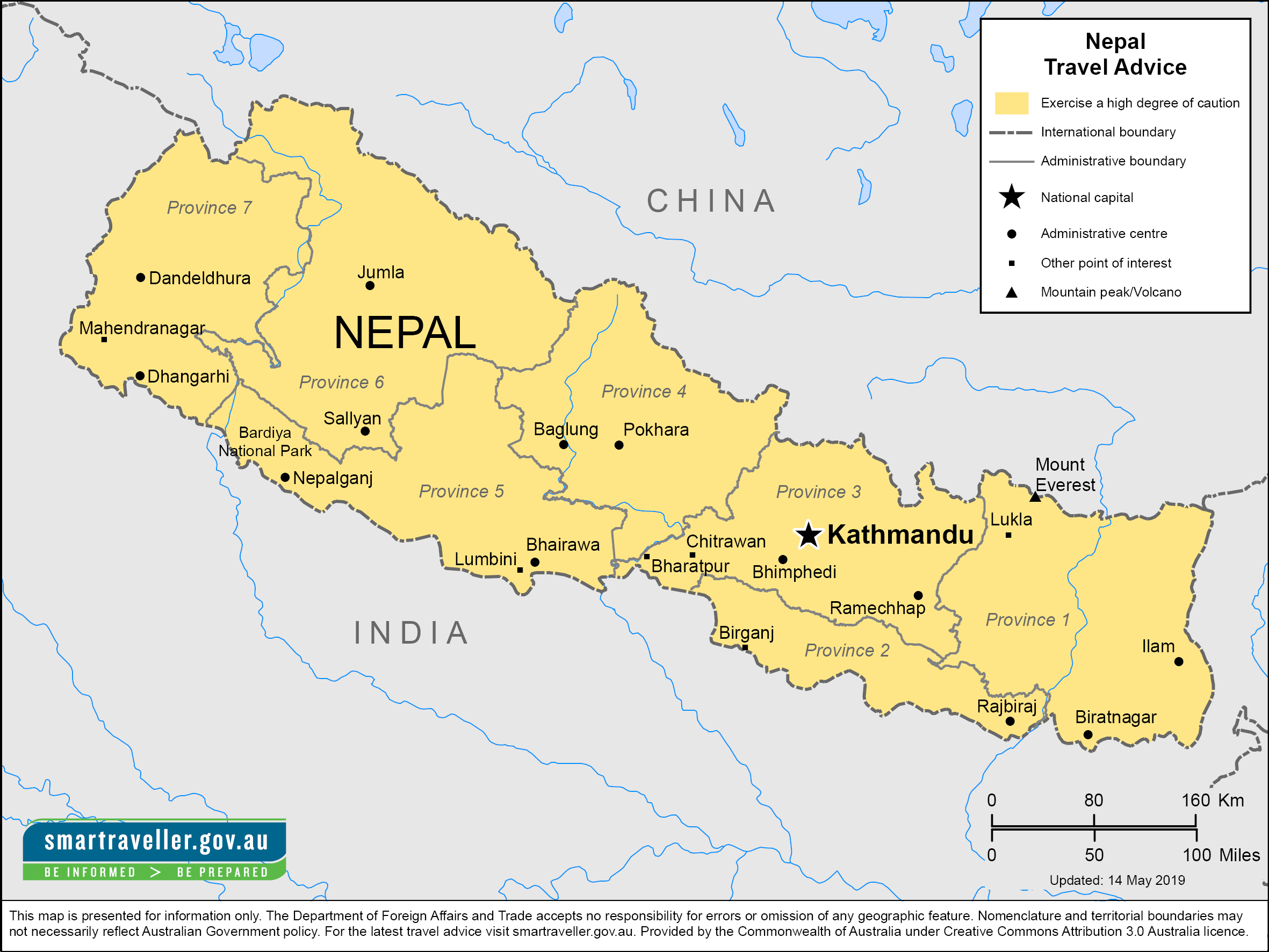
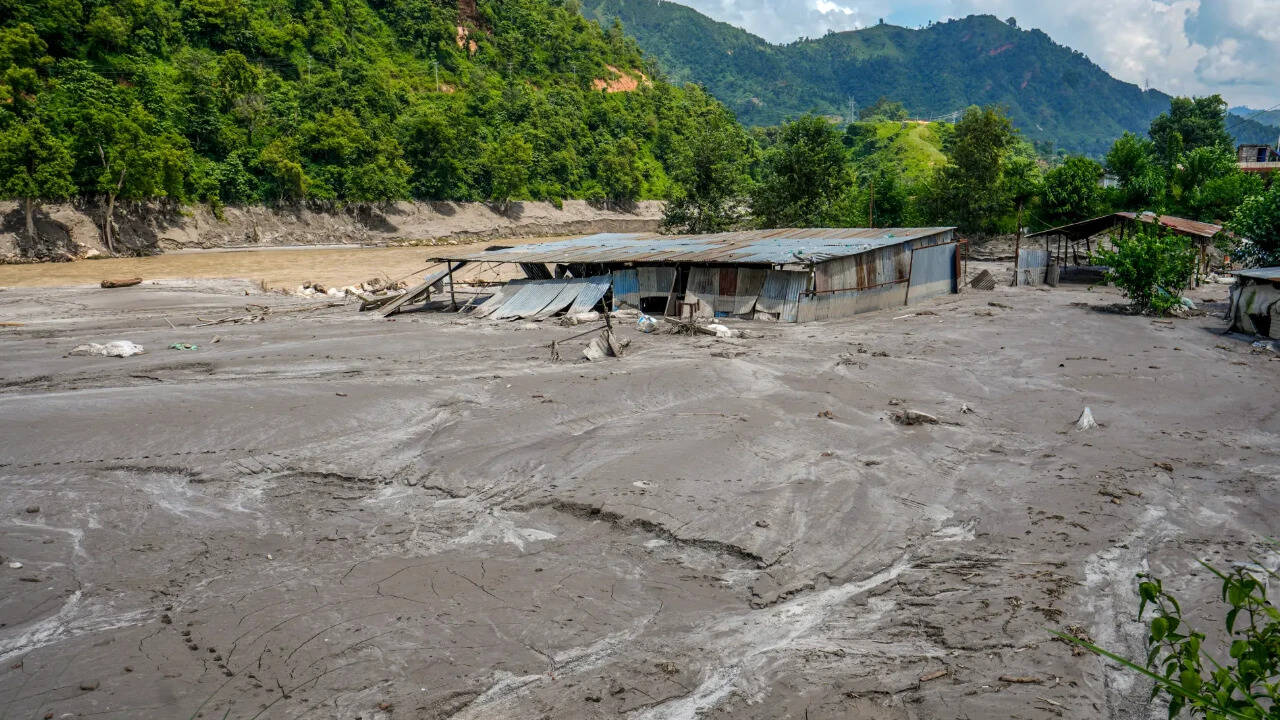
That is precisely what happened with the catastrophic flash floods that recently devastated the Nepal-China border region, killing hundreds and leaving nearly a thousand people missing. Months before boulders and ice buried mountain valleys, scientific institutions raised loud alarms. Nobody listened until it was too late.
The Reports That Predicted the Unthinkable
Back in March 2026, the International Centre for Integrated Mountain Development (ICIMOD) published two critical assessments. These weren't vague guesses about the future. They were stark evaluations of the Hindu Kush Himalaya region.
The findings showed that glacier ice loss across the area had doubled since the year 2000. Think about that metric for a second. The melting rate didn't just inch upward; it accelerated at a terrifying pace. Glaciers across the Hindu Kush Himalaya have lost up to 27 meters of ice thickness since 1975, shedding roughly 12 percent of their total area between 1990 and 2020.
These massive blocks of ice feed ten major Asian river systems. They support billions of people downstream. But when they shrink, they create ticking time bombs in high-altitude terrain.
Why Small Glaciers Pose the Biggest Threat
Most people assume the largest glaciers cause the most immediate local damage. That is actually wrong.
Remote sensing analysts at ICIMOD pointed out that the smallest glaciers—those measuring below 0.5 square kilometers—are shrinking the fastest. Roughly three-fourths of the region's glaciers fall into this vulnerable category. As they melt away, they destabilize local ecosystems and trigger sudden disasters like glacial lake outburst floods.
When a catastrophic flash flood hit the border region this year, researchers quickly investigated the root cause. Experts like cryosphere specialist Mohd Farooq Azam explained that the event wasn't just standard monsoon runoff. It was an ice-rock avalanche caused by the detachment of bedrock from beneath a glacier. Bedrock gave way under thermal stress, sending millions of tons of rock and ice cascading into the valley below.
The Danger After the Flood
A disaster rarely ends when the initial wall of water passes. In the aftermath of the Nepal tragedy, debris choked a river confluence and formed a massive temporary dam. Water pooled behind it rapidly, storing millions of cubic meters of fluid.
That temporary reservoir created an immediate secondary threat. When a natural dam forms in a steep mountain valley, downstream communities sit on a knife-edge. Officials had to halt rescue operations temporarily because the reservoir began overflowing into the Bhotekoshi River, threatening rescuers and survivors alike.
You cannot treat mountain disasters as isolated domestic events, either. High-altitude floods cross borders effortlessly. The water originated in the high Himalayas, smashed into infrastructure across the Tibetan boundary, and surged back down toward Nepal. Mother Nature doesn't care about geopolitical lines on a map, which makes cross-border data sharing an absolute necessity rather than a polite diplomatic suggestion.
Flying Blind on the Roof of the World
Perhaps the most frustrating part of this entire crisis is our lack of preparation tools. ICIMOD data highlights a massive blind spot in global climate monitoring. Out of thousands of glaciers in the region, only a tiny fraction meet global benchmark standards set by the World Glacier Monitoring Service.
Major mountain zones remain largely unmonitored. Scientists are basically trying to navigate a high-speed climate crisis using an incomplete map. Without expanding monitoring networks and standardizing how we track glacial melt, similar disasters will continue to blindside governments every single summer.
If we want to stop reacting to tragedies and start preventing them, we have to fund early-warning infrastructure, respect scientific warnings before the monsoon hits, and build genuine regional cooperation across South Asia.