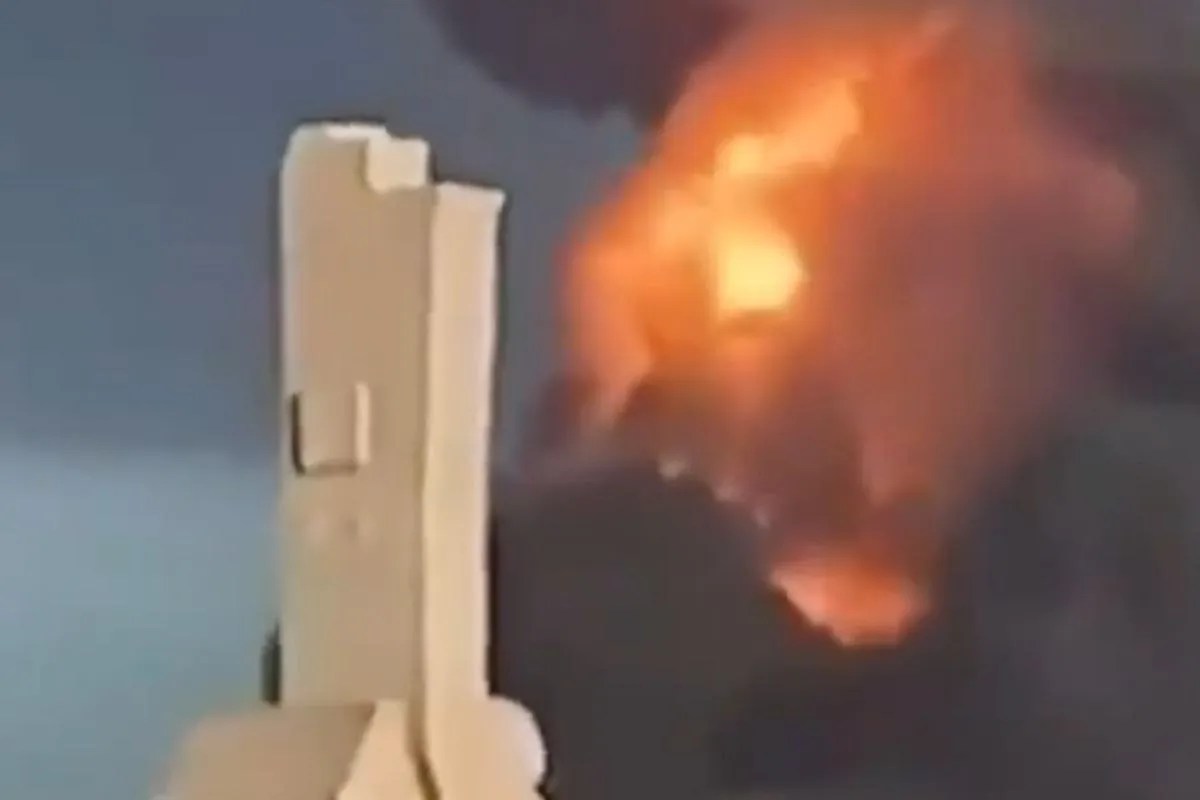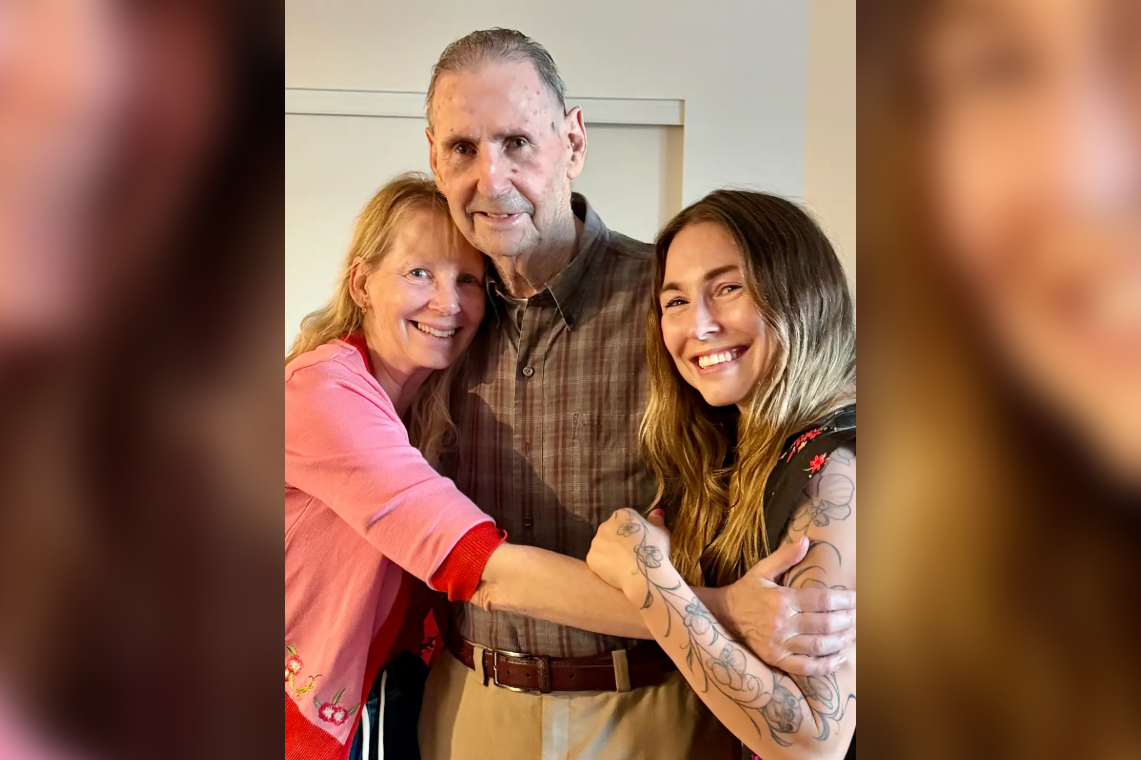
When an emergency evacuation order drops, time is your worst enemy. Imagine realizing a 90-year-old family member with dementia is still sitting alone inside an evacuation zone while wildfire flames light up the horizon. That horror story became reality for Shiloh Belleville when her father, John, was left behind in the Desert Cove community in the Okanagan.
Emergency systems are built for the average person, but they routinely fail the most vulnerable populations among us. Let’s talk about why standard evacuation protocols break down for seniors with cognitive impairments and what actually keeps people safe when disaster strikes.
The Gap in Emergency Plans for Cognitive Impairments
Standard alerts assume everyone hears an alarm, understands the threat, and possesses the physical and cognitive capability to pack a bag and drive away. That assumption is dangerous.
When you live with dementia, your brain processes urgency and spatial threat entirely differently. John Belleville didn't refuse to leave out of stubbornness; he simply looked at the unfolding crisis through a disrupted lens, telling a stranger who came to his rescue that he needed to go to bed.
Official evacuation alerts don't account for this cognitive barrier. First responders are stretched thin trying to secure perimeters, manage traffic gridlock, and fight active fronts. They rarely have the bandwidth to conduct room-by-room cognitive checks unless a family member sounds the alarm from hundreds of miles away, exactly like Shiloh had to do from Vancouver.
When Strangers Become the Only Safety Net
Government infrastructure broke down at multiple levels during the Okanagan threat. When Bob Tutush—a total stranger to the Belleville family—stepped up to drive into Desert Cove, earn John's trust, and pull him away from the approaching fire line, he filled a void left by emergency services.
Getting out of the danger zone was only the first hurdle. Upon reaching the Kal Tire evacuation reception centre, they hit another institutional wall: zero available accommodations for a disoriented 90-year-old man.
Think about that for a second. An evacuation center failed to accommodate a high-risk senior fleeing an active wildfire. If an old family friend hadn't stepped up to offer a temporary bed, and if Tutush hadn't volunteered to drive John nearly 400 kilometers to Vancouver the next morning, the system would have completely abandoned them.
Fixing the Blind Spots in Disaster Response
We can't rely on random acts of heroism from strangers to protect vulnerable citizens. If you have an aging parent or relative living independently or in a retirement community, you have to build a personalized redundancy plan.
- Register with local registry programs: Many municipalities maintain vulnerable citizen registries for emergency services, though they are heavily underutilized.
- Establish a local buddy system: Don't rely on neighbors assuming someone else is checking on the senior. Designate a local neighbor or nearby friend with house keys who checks in immediately upon an alert.
- Automate tracking and alerts: Keep emergency contact lists updated directly with local neighborhood associations or property managers so they know who requires physical evacuation assistance.
Disaster response assumes everyone can save themselves. Until the system changes, it's up to families to close the gaps.