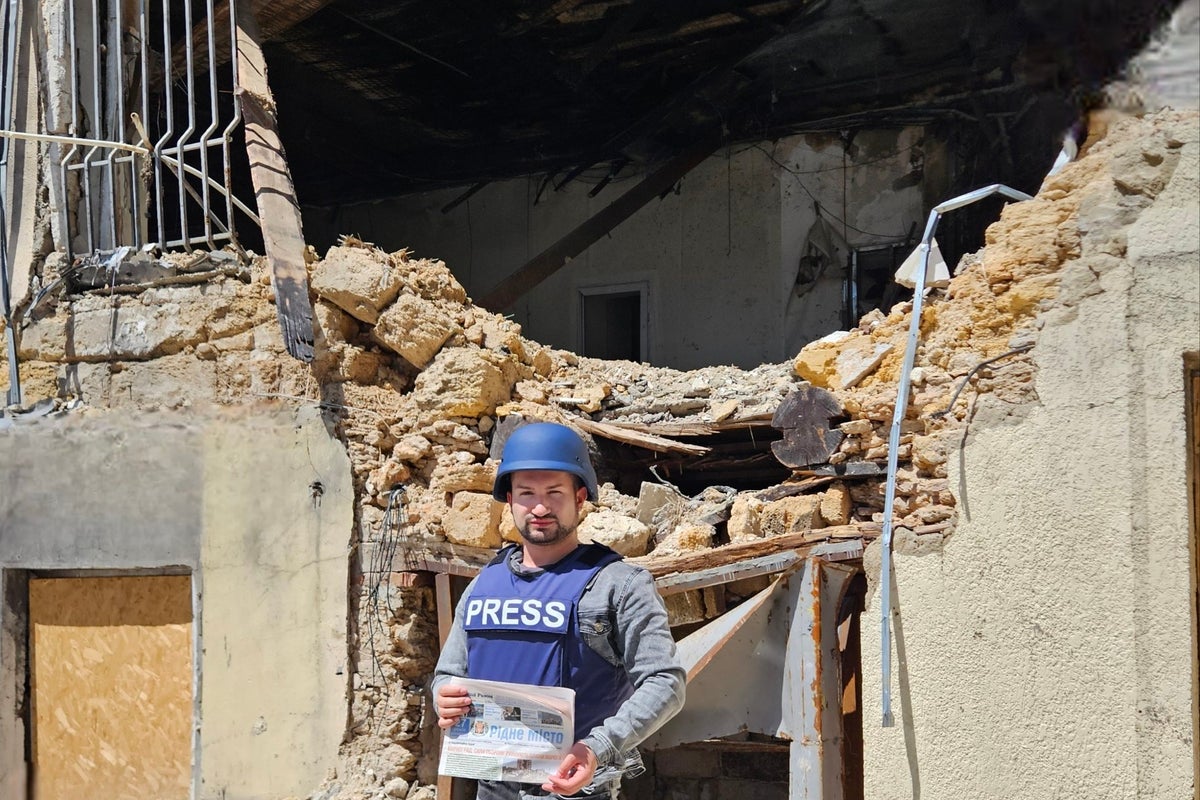
Buildings don't just fall down on random Sunday afternoons. They collapse because years of code violations, illegal extensions, and institutional apathy finally catch up with them. When a multi-storey structure caved in near Satya Niketan in southwest Delhi, panic instantly set in. Eyewitness reports quickly spiraled into terrifying numbers. At least 50 students were feared trapped beneath mountains of concrete and twisted iron.
If you've ever walked through Delhi's crowded student hubs like Satya Niketan or nearby areas surrounding Delhi University's South Campus, you know what you're looking at. Narrow lanes. Crammed commercial spaces. Makeshift upper floors piled onto aging foundations built decades ago. It's an accident waiting to happen. Yet, municipal authorities routinely look the other way until lives are lost.
The Anatomy of a Disaster in Southwest Delhi
The emergency call hit the Delhi Fire Service switchboards at precisely 1.33 pm. Moments later, the South Campus police station logged a parallel alert regarding the catastrophic crash near Nanakpura Gurdwara. First responders arrived within minutes. Police teams, multiple fire crews, and specialized units from the National Disaster Response Force (NDRF) rushed to the scene.
Rescue teams faced a nightmare scenario. Heavy machinery can't easily navigate the congested lanes flanking many southwest Delhi neighborhoods. Rescuers had to rely heavily on manual debris clearing, cutting through metal rods by hand, and praying for silence so they could hear muffled cries from survivors.
Local politicians and eyewitness accounts quickly highlighted the grim reality of the site. Local leaders confirmed that some trapped individuals managed to place desperate phone calls from beneath the wreckage. Emergency services managed to pull several survivors free during the initial hours, but the structural instability of adjacent blocks forced authorities to evacuate neighboring properties immediately.
Why Student Hubs Are Ticking Time Bombs
Thousands of young people move to Delhi every year for university. They need affordable housing. Landlords smell profit and respond by stuffing extra floors onto weak foundations. They ignore zoning laws and structural limits entirely.
- Unregulated Vertical Growth: Property owners add illegal third, fourth, and fifth storeys without architectural clearance.
- Compromised Foundations: Original brickwork meant for low-density family homes now supports massive, multi-tenant student PG (paying guest) accommodations.
- Zero Accountability: Municipal inspections are notoriously lax, often driven by bureaucratic backlogs or outright corruption.
When concrete gives way, the human cost is immediate. Delhi Chief Minister Rekha Gupta rushed to coordinate rescue operations, noting that agencies like the Municipal Corporation of Delhi (MCD) and civil defense units were working on a war footing. But emergency response is always too late when prevention fails.
What Needs to Happen Now
Condemning unsafe buildings after they collapse changes nothing. City planners and municipal corporations need to audit student-heavy districts across Delhi before the next tragedy strikes. Landlords violating zoning laws must face criminal charges, not small fines they can write off as business expenses.
Check your surroundings if you're renting in dense urban centers. Look for major cracks, water seepage, or unauthorized construction overhead. Don't wait for a municipal notice to save your life. Move out if a building looks unstable. Authorities won't protect you, so you have to protect yourself.