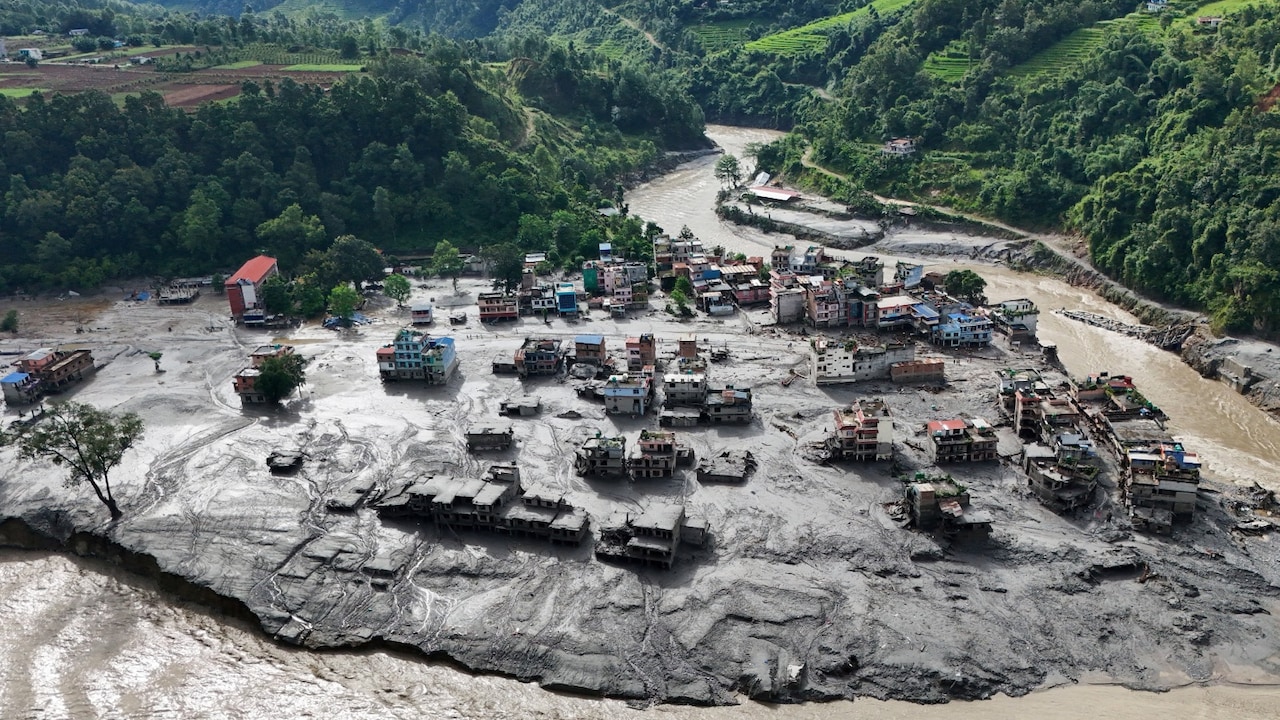
Disasters don't care about international boundaries. When a massive glacial collapse triggered violent flash floods across Nepal, the immediate aftermath turned into a frantic cross-border scramble to locate missing travelers, pilgrims, and workers.
If you are following the crisis, you already know the scale is staggering. Hundreds have lost their lives, and thousands remain unaccounted for in the rugged terrain. But the real story happens behind the headlines, where diplomatic channels and military forces try to make sense of absolute chaos.
The Reality on the Ground
India and Nepal share an open border and deep cultural ties. When disaster strikes, those ties translate into boots on the ground and high-stakes rescue missions.
Indian Ambassador to Nepal Naveen Srivastava laid out how the embassy coordinates with the Nepal Army and local agencies. Information sharing is the main priority. When tourists or workers go missing in remote valleys, tracking them down requires mapping routes, checking hotel registries, and tracing last-known cell phone pings across treacherous terrain.
Take the recent rescue of pilgrims from Tamil Nadu. A group of twenty-one travelers found themselves trapped by the rising waters. Getting them out wasn't just a matter of sending a helicopter; it required synchronization between local authorities, state governments in India, and federal diplomatic missions to ensure safe passage to Kathmandu and eventually back home.
Similarly, sixty-three Indian nationals working on the Trishuli 1 power project were safely evacuated after being cut off by the destruction. Power infrastructure projects in these mountainous regions employ thousands of migrant workers, making them highly vulnerable when rivers suddenly swell.
Why Border Lakes Present a Constant Threat
The initial flash flood was bad enough. What keeps emergency responders awake at night is the secondary threat: barrier lakes.
Upstream near the border, debris from landslides can choke river channels, creating temporary dams. When these natural barriers burst, a wall of water downstream follows without warning. Reports indicate that a barrier lake near the Gyirong border port recently breached its banks, prompting urgent alerts from local police forces.
China even paused rescue operations on its side of the border in Tibet due to the extreme danger of secondary floods. When you have water systems fed by melting glaciers and blocked by shifting mountain debris, prediction models become almost useless.
What This Means for Travelers and Planners
If you plan to trek or travel through the Himalayan region during monsoon or post-monsoon transition periods, traditional risk assessments no longer apply. Climate shifts make glacial lake outbursts harder to anticipate.
Governments are learning that regional disaster response needs to move faster than bureaucratic red tape. Ambassador Srivastava's updates highlight a reactive system that works, but the sheer number of missing people proves that prevention and early warning infrastructure need massive upgrades.
Keep emergency contacts saved, register your travel plans with your respective embassy if you are crossing into high-risk zones, and pay attention to local weather warnings immediately. When the mountains shift, you won't have hours to decide your next move.