Nature doesn't care about our schedules. When a massive disaster strikes a fragile, high-altitude zone, human timelines get thrown out the window.
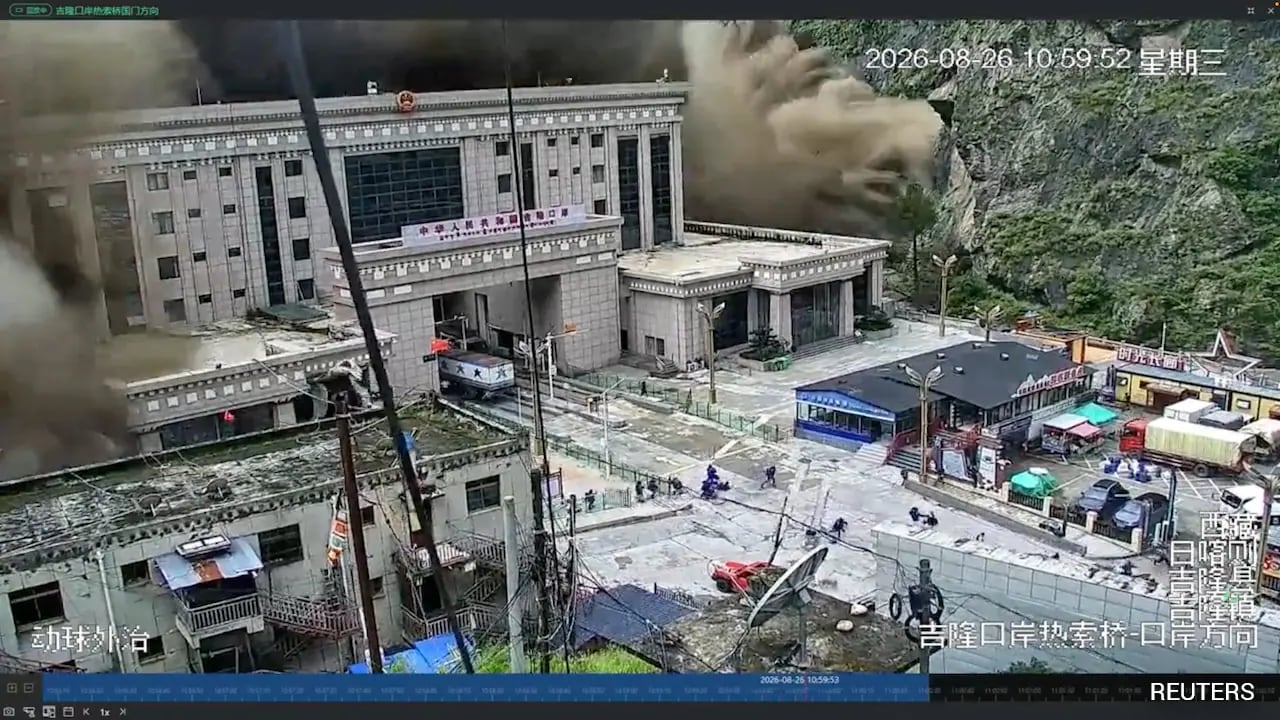
That brutal reality hit the China-Nepal border region when authorities were forced to pull back search teams entirely. If you have been following the devastating mudslide in Tibet, you know things were already catastrophic. Hundreds remained missing after a wall of mud slammed into the border hub of Gyirong.
Then, the situation turned from bad to terrifying. A debris-formed lake started overflowing.
The Danger Beneath the Mud
When a massive mudslide tears down a mountain, it rarely just slides past. It acts like a giant dam, trapping water behind a wall of earth, rock, and organic debris. That is exactly what happened in Tibet. This makeshift barrier created a volatile body of water sitting right above the disaster epicentre.
State broadcaster CCTV confirmed that water levels started spilling over toward the exact zones where emergency responders were trying to dig people out.
Risk management in these scenarios is absolute brutal math. You cannot send rescue workers into a zone where a sudden flash flood could wipe them out too. Officials had no choice. They ordered all emergency personnel to stand down, drop their tools, and retreat at least one kilometre away from the hazard zone.
The Mounting Pressure at Gyirong
Time is working against the people trapped out there. Weather reports aren't helping. Continued rainfall means water levels at the debris dam are climbing fast. Forecasters expect the threat level to peak significantly, creating a massive hazard for Gyirong Port and downstream communities.
When a natural dam of loose debris breaches, it behaves like a sudden tsunami of mud and water. Engineering teams are monitoring the site with anxiety, trying to figure out how to drain or stabilize the block before it bursts wide open.
While the heavy machinery sits idle, specialized technology keeps working. Drones equipped with 3D modeling and thermal imaging are scanning the debris fields from the air. Responders are trying to locate survivors without putting boots on the ground in a high-risk flood path.
Evacuations out of the immediate danger zone have managed to pull hundreds of people—including hundreds of foreign nationals—out of harm's way. But for the families waiting for word on missing loved ones, the forced pause feels like an eternity.
Mother Nature holds all the cards right now. Until that water recedes or engineers can break open the blockage safely, the human cost of this disaster keeps climbing in the background. Keep an eye on regional meteorological updates over the coming days, because the next phase of this crisis depends entirely on the skies above Tibet.


