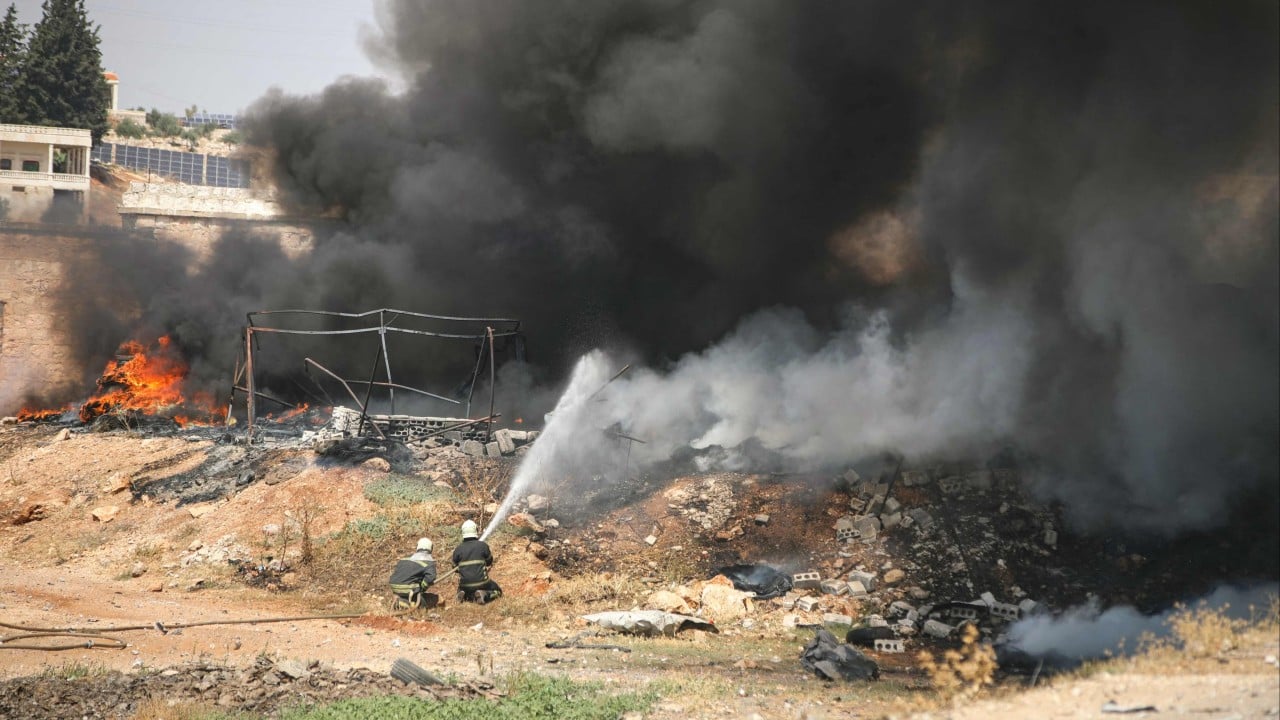
When a massive Himalayan glacier snapped and sent a wall of ice, mud, and water barreling down the valley, it didn't care about national borders. It hit both Nepal and Tibet with brutal force. Yet, look across the border, and you will see two completely different realities.
In Nepal, reporters are on the ground. Survivors are giving raw, minute-by-minute accounts. The official death toll has climbed past 500. Across the mountain ridge in Tibet? Total silence. Official state media claims only five people died.
Why the massive discrepancy? Beijing's information blackout on Tibet is turning a natural catastrophe into an invisible tragedy.
The National Security Prism
If you want to understand why independent assessments of the Tibet flood damage are nearly impossible, look at how Beijing treats the region. Everything gets filtered through a national security lens.
Local officials and state media workers operate under a strict rule. You don't report a higher death toll until Beijing gives the green light. Even if you walk past bodies in the mud, you keep quiet. Steve Tsang, director of the China Institute at SOAS University of London, puts it bluntly. Nobody reports anything that hasn't cleared the very top.
This hyper-controlled environment creates a bizarre information vacuum. State broadcasters dispatch crews to Tibet, but their cameras point away from the devastation. They focus entirely on rescue staging grounds. They refuse to interview local villagers sitting right behind them.
Missing a Chance to Show Competence
China’s emergency services and the People's Liberation Army possess massive resources. They dwarf Nepal’s cash-strapped disaster response teams. Navigating treacherous, high-altitude terrain requires heavy equipment and specialized training. Beijing actually deployed hundreds of rescue personnel to the Gyirong border area.
They could be showcasing an effective, high-tech disaster response. Instead, they choose suppression.
Why? Because transparency requires vulnerability. Autocratic systems default to control over openness. By censoring the real scale of the Tibet flood damage, they end up burying their own rescue efforts. International observers are left guessing, while local families search for missing relatives in total isolation.
What This Means for Disaster Transparency
When governments treat climate-driven natural disasters as state secrets, everyone loses. Glacial lake outbursts and flash floods are becoming more common across the Himalayas as temperatures rise.
Scientists need accurate data from both sides of the border to model future risks. Downstream communities in Nepal rely on early warnings that depend on shared hydrology data from the Tibetan plateau. When information stops at the border, warning systems fail.
If you're tracking climate risks in mountain regions, expect a massive blind spot whenever disaster strikes Chinese territory. Data is politicized.
Check independent monitoring groups and cross-border scientific networks for actual updates. Don't rely on state-sanctioned casualty figures from sensitive border zones. Look past the official narrative.