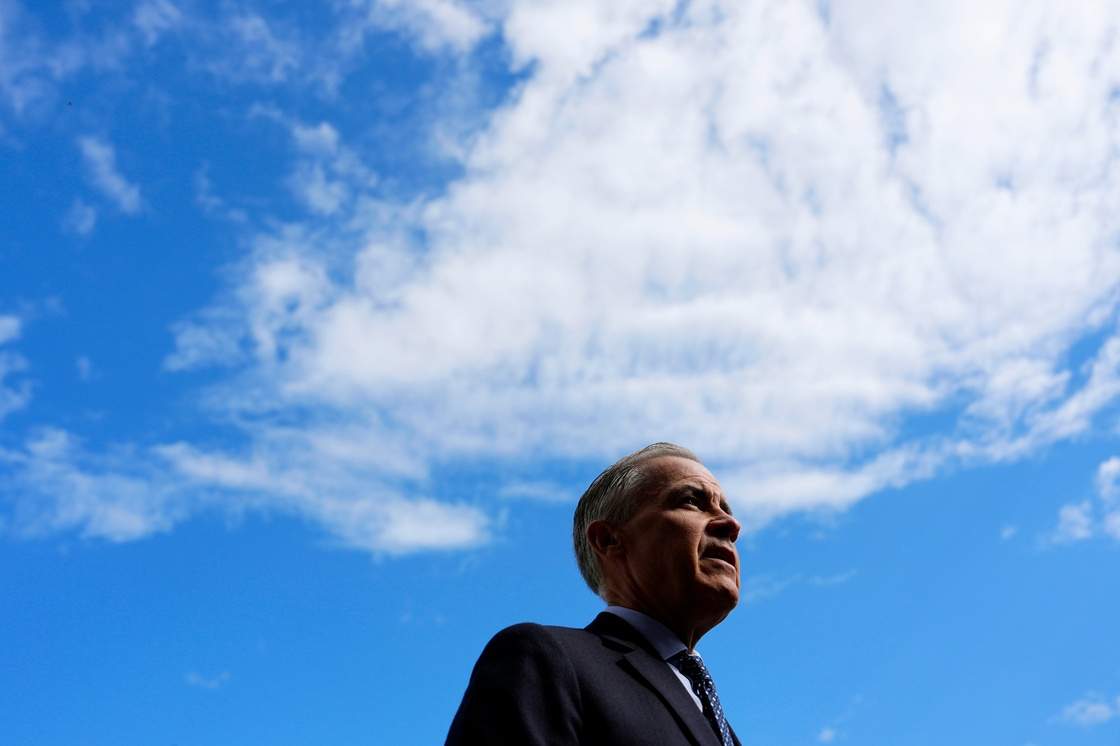
Mountains don't insulate you from economic shocks. Prime Minister Mark Carney learned that fast when he pulled his entire cabinet into the mountain resort town of Banff, Alberta, for closed-door emergency talks.
Outside those luxury lodge walls, the reality was brutal. U.S. President Donald Trump was actively escalating a high-stakes tariff battle, moving aggressively to ban key Canadian imports like alcohol and select regional goods. The atmosphere wasn't scenic relaxation. It was pure crisis management.
If you think this trade friction is just political theatre, look closer. Supply chains are snapping, local businesses are sweating, and Ottawa is scrambling to find a coherent playbook before the economic damage becomes permanent.
Inside the Banff Strategy Sessions
Why Banff? Optics matter, but strategy matters more. Alberta sits right at the epicenter of resource politics and regional friction. By planting his ministers in the Rockies, Carney forced a direct confrontation with western economic anxieties while dealing with relentless pressure from Washington.
The two-day retreat wasn't about leisurely brainstorming. Ministers huddled behind closed doors to hear from external experts on the economy, international relations, and Indigenous partnerships. U.S. Treasury Secretary Scott Bessent had already made Washington's hardline stance clear, demanding a unilateral surrender on key dispute points. Carney responded with a blunt refusal to back down easily.
Canadian officials face a very narrow path forward. Do you retaliate dollar-for-dollar on U.S. goods, risking a vicious cycle of inflation? Or do you try quiet diplomacy while watching American protectionism chip away at vital industries like manufacturing and energy?
The Real Cost of Trump Tariffs on Main Street
Let's cut through the political rhetoric. Tariffs sound like abstract macroeconomics until they hit your bottom line. When Washington targets Canadian imports, factories in Ontario and resource hubs out West feel the squeeze immediately.
Here is what most commentary misses. Small and medium enterprises don't have the legal or financial buffers of multinational conglomerates. When export borders tighten, local firms absorb the blow. Cash flows dry up. Hiring freezes instantly.
During the Banff meetings, local leaders like Calgary Mayor Jeromy Farkas stepped up to brief federal officials on how these pressures bleed into municipal budgets and daily livelihoods. It is one thing to debate trade policy in an Ottawa boardroom. It is entirely different when you are staring down business owners whose supply lines have been choked overnight.
What Ottawa Needs to Do Next
Sitting in the mountains won't fix a broken cross-border trade relationship. Action will.
First, Canada must diversify its export markets aggressively. Relying too heavily on a volatile southern neighbor is an open invitation for economic blackmail. Trade agreements with European and Asian partners need to move from bureaucratic wishlist items to urgent operational priorities.
Second, domestic trade barriers within Canada are a self-inflicted wound. It is absurd that shipping goods between provinces faces more red tape than shipping them across the U.S. border. If Ottawa wants to bulletproof the economy against American protectionism, fixing internal free trade is the fastest lever available.
Stop waiting for Washington to change its mind. Protect local businesses, diversify trade routes, and build internal economic strength before the next wave hits.
Our Plan Is... Carney Reveals Canada's Strategy to 'Trump
This video provides an up-close look at Prime Minister Mark Carney outlining Canada's strategic response to the ongoing U.S. tariff pressures.
http://googleusercontent.com/youtube_content/1