The latest clash between the Plymouth Brethren Christian Church and the federal government isn't just another political spat. It’s a messy, high-stakes battle over the boundaries of religious influence in Australian democracy. When news outlets recently alleged that the church funneled money to far-right influencers to disrupt the 2025 election, it triggered a firestorm. But as Lloyd Grimshaw, a church director, recently told a parliamentary inquiry, there’s a massive gap between these accusations and actual evidence.
Honestly, if you’re looking for a smoking gun, you won’t find it in the current transcript.
The evidence gap in political influence
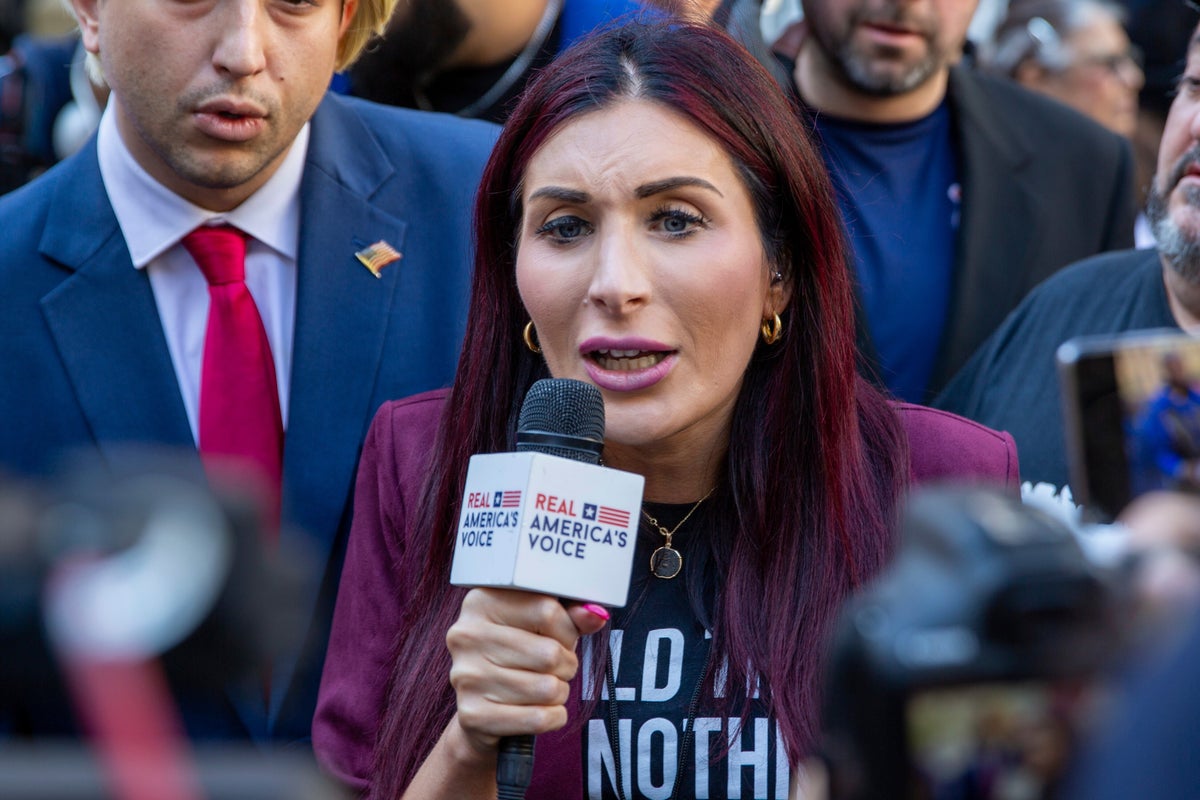
The core of this drama lies in claims that the church—an organization that prefers keeping its internal affairs quiet—orchestrated a shadow campaign. Specifically, reports suggested they paid influencers like Laurence McIntyre to heckle Prime Minister Anthony Albanese. These allegations are serious. They touch on election integrity and how much power religious groups should wield during a campaign.
Grimshaw didn't mince words before the committee. He called the reporting a “complete lie.” He pointed out a glaring issue that often plagues these types of high-profile accusations: the lack of a paper trail. When you’re accusing an organization of moving money to political agitators, you need more than circumstantial stories. You need transactions. You need names. You need proof that someone, somewhere, actually cut a check.
Right now, that proof doesn't exist in the public record.
When personal conviction becomes institutional action
A recurring theme here is the tension between what an individual member does and what an entire church dictates. Grimshaw’s defense is simple, even if critics find it hard to swallow. He insists that while church members certainly participated in the election—some volunteering for candidates they preferred—they did so as private citizens.
I’ve seen this pattern before in political reporting. It’s incredibly difficult to distinguish between grassroots enthusiasm from a group of like-minded individuals and a coordinated top-down mandate. If five hundred people from a specific community show up to volunteer for the same candidate, it looks like a coordinated effort. But that doesn’t automatically mean the church leadership issued a directive or provided financial support.
Grimshaw argues that people have legitimate reasons to get involved. They worry about the economy. They support local candidates. They hold values that align with certain parties. Is that political participation, or is it an “assault on democracy”? That’s the question the current parliamentary inquiry is trying to answer, but it's clearly becoming a partisan weapon.
Why this inquiry feels like a political game
Let’s look at the atmosphere surrounding this investigation. The Labor-chaired committee is painting a picture of an election under threat from third-party agitators. On the other side, the Coalition is screaming foul, accusing Labor of running a “hyper-partisan witch-hunt.”
The involvement of figures like Matt Canavan, who has accused the government of launching a war on people of faith, complicates the situation further. It shifts the conversation away from election integrity and toward culture wars. When you start framing an inquiry as an attack on religious freedom, you’re basically ensuring that the truth gets buried under a mountain of partisan rhetoric.
What actually matters for the voters
If you’re a voter, here’s what you should care about:
- Transparency: Every dollar spent to influence an election should be traceable. If these laws aren't working, that’s where the reform needs to happen.
- Accountability: Political candidates should be held responsible for the behavior of their third-party supporters, regardless of whether those supporters are individuals or large organizations.
- Evidence: Allegations about “cults” and “shadow campaigns” are effective at grabbing headlines. They are much less effective at changing policy.
The reality is that religious groups in Australia have always been involved in politics. From Catholic unions to evangelical networks, it’s a standard part of the process. The debate we’re having now isn't about whether they should be involved. It’s about whether they are playing by the same rules as everyone else.
If there’s proof of illegal activity, bring it to the electoral commission. File the charges. Start the investigation. But if the only “evidence” is a collection of inferences and guesses, we’re just watching political theatre while actual election reform waits in the wings.
Moving forward, the parliamentary inquiry has to decide if it’s genuinely interested in tightening campaign finance laws or if it just wants to score points against ideological opponents. The public deserves a clear answer on who funded what during the 2025 cycle. We don't need more heated testimony that leads nowhere. We need the data. Until the committee produces hard evidence—not just theory—this entire controversy will keep spinning in circles.
Watch for the final report from the committee. That will show if this is about actual reform or just another distraction.