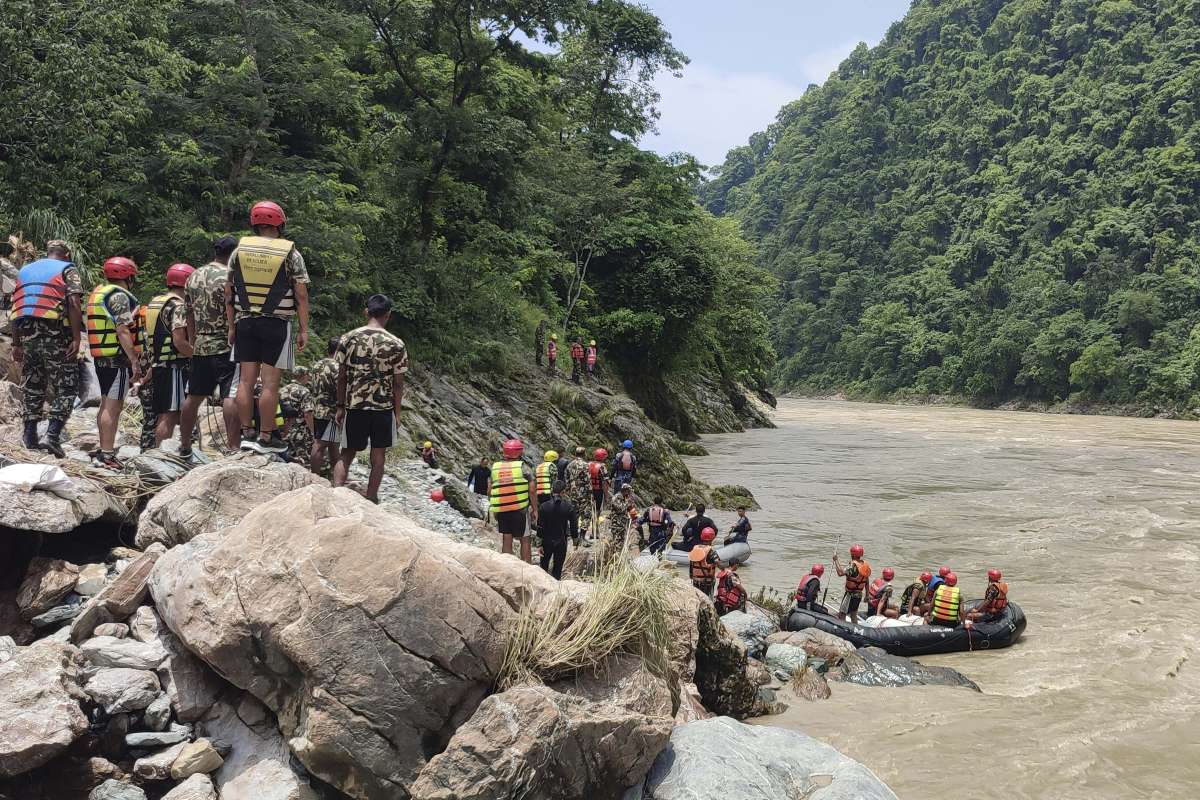
Rescue teams in Nepal pulled 475 bodies from debris after the catastrophic Bhotekoshi flood. The situation on the ground remains frantic. Hundreds of travelers and locals are still missing. Heavy rains, burst dams across the border in Tibet, and subsequent upstream tremors turned mountain regions into active danger zones overnight.
If you're wondering how the disaster escalated so quickly, it isn't just about heavy rainfall. It's a combination of extreme weather, trans-boundary river systems, and rugged geography that leaves little room for error. When a 5.1 magnitude earthquake struck Sichuan, China, it triggered fresh flood alerts across the Himalayas. Authorities had to pull back rescue crews immediately. Water levels in Trishuli surged. A dam breach on the Tibet side forced emergency evacuations.
The Scale of the Crisis
Statistics rarely capture the sheer chaos of a flash flood in high-altitude zones. The Nepal Tourism Board confirmed that hundreds of tourists and residents remain unaccounted for in the hardest-hit regions. At least 1,545 people sustained injuries severe enough to require rescue and medical intervention.
Security forces faced impossible conditions. The Nepali Army deployed specialized teams to clear blocked tunnels at a hydropower project in Rasuwa. Workers were trapped underground. Teams dragged survivors out against heavy odds, but heavy equipment and road-rebuilding initiatives had to stop. Water levels kept climbing.
Why Mountain Floods Catch Everyone Off Guard
You can't outrun a wall of water barreling down a narrow mountain gorge. When glacial lakes or upstream dams breach, the rush travels faster than standard warning systems can broadcast.
- Trans-boundary water flows make early warning nearly impossible without direct international coordination.
- Steep valley walls trap water and debris, turning rivers into battering rams.
- Infrastructure like hydropower tunnels become death traps when blocked by mud and boulders.
What Happens Next on the Ground
Evacuation orders remain active. People living near the Trishuli and Bhotekoshi corridors are being moved to high ground. Emergency cabinet meetings led by Prime Minister Balendra Shah are scrambling to manage resources. Diplomatic channels are also stepping up. For instance, foreign nationals—including 21 citizens from Tamil Nadu, India—were safely evacuated and flown back through Kathmandu after receiving assistance from local embassies.
The immediate priority isn't rebuilding. It's survival. Crews are watching water levels minute by minute. If you are tracking travel plans or looking for missing relatives in the region, rely exclusively on official updates from the Nepal Police or local district administration. Stay clear of riverbanks. The threat hasn't passed yet.


