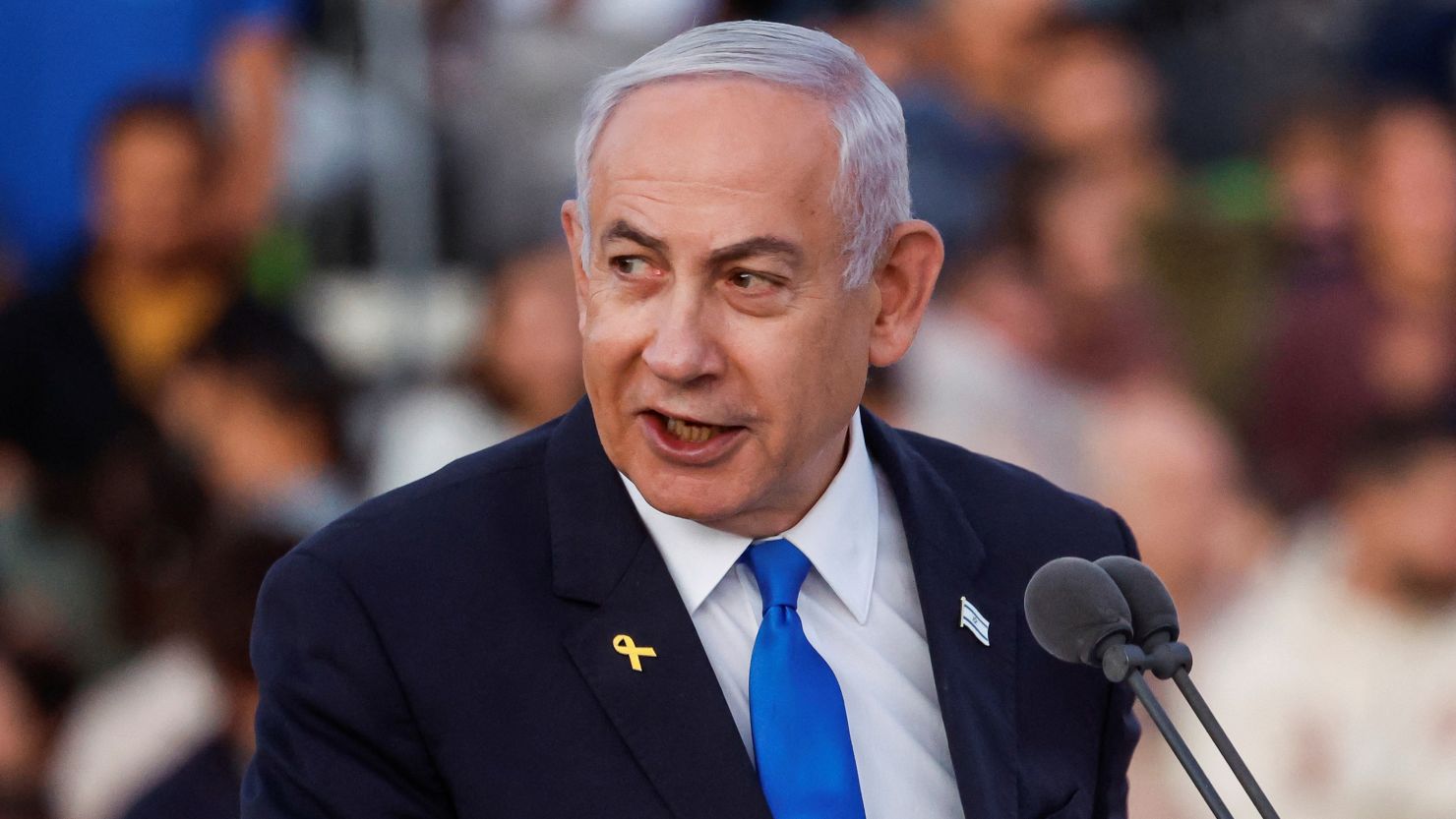
Foreign policy rarely stays detached from domestic survival. When Israeli Prime Minister Benjamin Netanyahu points fingers at Ankara, he's playing a very specific kind of political game. Former US Ambassador to Turkiye Francis J. Ricciardone recently pointed out that labeling Turkiye as a primary threat isn't just about regional defense. It carries massive domestic political value, especially with legislative elections looming in October.
Let's look at the mechanics behind this strategy. Leaders under severe internal pressure often need external friction to consolidate support. Netanyahu faces intense scrutiny on multiple fronts. By framing Turkiye and President Recep Tayyip Erdogan as immediate foes, he shifts the public conversation away from domestic vulnerabilities and onto a familiar security footing.
Turkiye hasn't stayed quiet, either. Ankara has openly accused Netanyahu of genocide and pursued international legal actions, while tensions flare over regional flashpoints like Syria and energy routes. When two prominent leaders lock horns publicly, both sides usually find domestic utility in the escalation.
The Electoral Calculation Behind Regional Rhetoric
Elections change everything. When politicians look at ballot boxes, strategic moderation often takes a backseat to aggressive nationalism. Netanyahu's calculus relies on rallying a base that responds strongly to external threats. Branding a regional heavyweight like Turkiye as an active enemy creates a rallying flag. It forces voters to choose sides during a crisis.
This isn't a new playbook. International relations are full of instances where leaders manufacture or amplify external adversaries to survive domestic political tremors. Ambassador Ricciardone's analysis cuts through the diplomatic noise to expose this basic tactical reality.
What This Means for Regional Stability
The rhetoric carries real-world consequences beyond political posturing. With Turkish and Israeli interests colliding over Syria and broader Middle Eastern alignments, high-stakes verbal sparring can easily spiral into miscalculation. Regional security architecture becomes fragile when leaders use cross-border tensions as domestic campaign props.
You can expect this friction to persist as the election window narrows. Keep an eye on how both governments handle proxy conflicts and diplomatic expulsions in the coming weeks. The posturing will likely get louder before it gets quiet.
Watch Netanyahu and Turkiye conflict analysis to see the former US diplomat break down these geopolitical dynamics.
http://googleusercontent.com/youtube_content/1