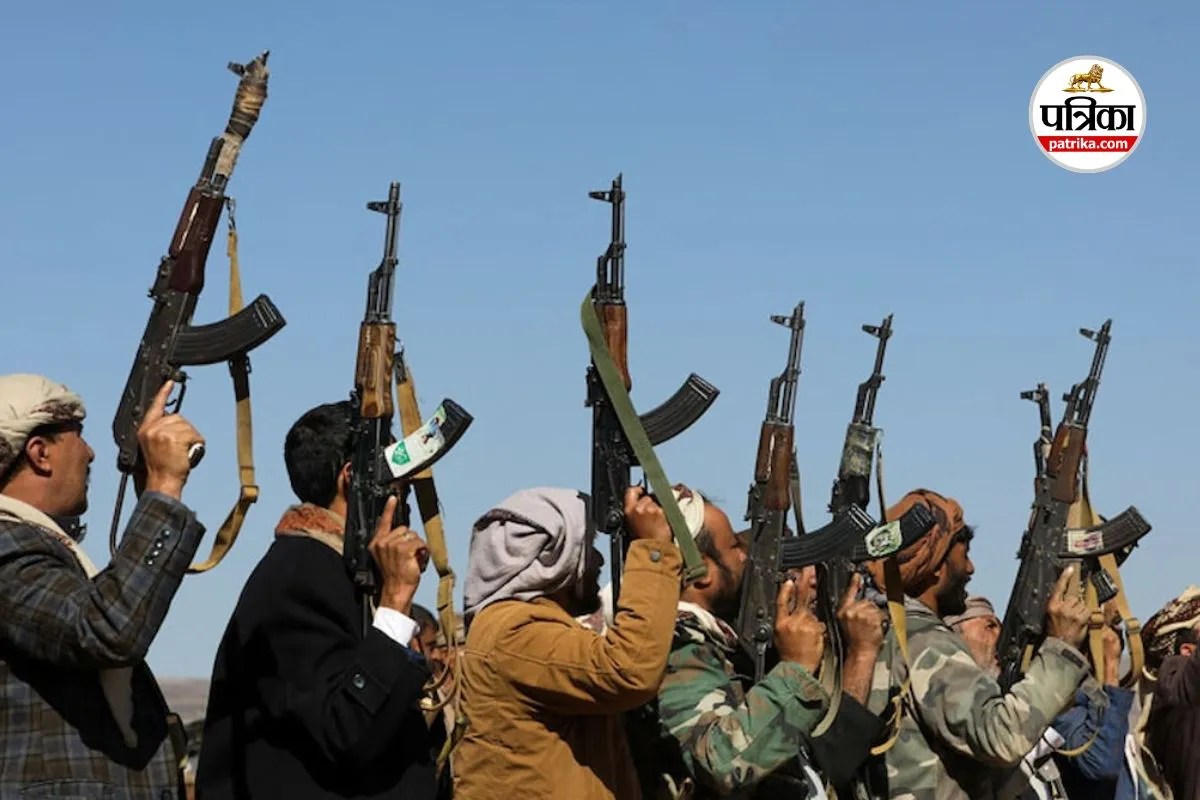
Red Sea shipping lanes are back in the crosshairs. If you've been tracking the Yemen conflict, you know that quiet spells never last long. Right now, government forces and Houthi rebels are trading heavy blows along the southwestern coastline.
Colonel Majid Abdullah al-Nuzaiali, a spokesman for the internationally recognized Yemeni government forces, recently confirmed a wave of aggressive airstrikes. The targets? Houthi supply lines, military vehicle concentrations, and fighter positions packed tightly inside a designated kill zone in the Taiz province, specifically around Mokha and Dhubab.
Military commands didn't mince words. They labeled the Taiz-Mokha and Mokha-Dhubab highway corridors a literal military zone, warning civilians to get out immediately.
Inside the Red Sea Kill Zone Strategy
What does a designated kill zone actually mean on the ground? It's not just a fancy tactical term. It is a calculated boundary where commanders grant air and ground units absolute clearance to strike any detected movement without waiting for fresh clearance.
Government forces established this box after Houthi units made a sudden push earlier in the week, capturing parts of Mokha city and nearby coastal stretches. The rebels wanted a tighter grip on the Red Sea shoreline. The Yemeni military responded by turning that exact geography into a weapons testing ground for airstrikes.
When you look at military maps of Yemen, you realize why this piece of dirt matters so much.
Why Mokha and Dhubab Matter Globally
You can't talk about global supply chains or energy transit without looking at the Bab el-Mandeb strait. Mokha port sits roughly 80 kilometers north of this vital maritime bottleneck. Dhubab's coastline practically touches the entry point of the strait, right near Mayyun Island, also known as Perim Island.
Every cargo ship, oil tanker, and container vessel passing through the Suez Canal relies on this narrow corridor. When fighting flares up in Mokha and Dhubab, shipping insurance rates spike instantly across London and Singapore.
- Houthi rebels want total dominance over coastal logistics to project regional power.
- Government forces are fighting to keep international trade routes from total disruption.
- Local populations bear the brunt of sudden military zone restrictions and highway closures.
The Real Cost of Coastal Control
Honestly, nobody wins the day-to-day attrition game here except the arms dealers. Civilians living near Taiz and the coastal routes are trapped between sudden insurgent advances and scorched-earth military air campaigns. When the government declares a kill zone, standard supply trucks stop moving. Food prices jump. Hospitals run low on emergency fuel.
Colonel al-Nuzaiali's public updates emphasize that these air raids are meant to dismantle accumulated hardware before insurgents can cement their footprint. But holding a desert highway against guerrilla tactics requires endless resources.
Keep an eye on maritime tracking data over the next two weeks. If the government's air campaign successfully severs the Houthi supply vector around Dhubab, the rebels will likely pull back into the rugged interior mountains. If the strikes fail, expect international naval coalitions to step up their patrols to protect commercial shipping lanes from retaliatory drone and missile launches.