Security breaches inside high-level defense organizations usually sound like Hollywood scripts. They rarely happen via entry-level desk jobs.
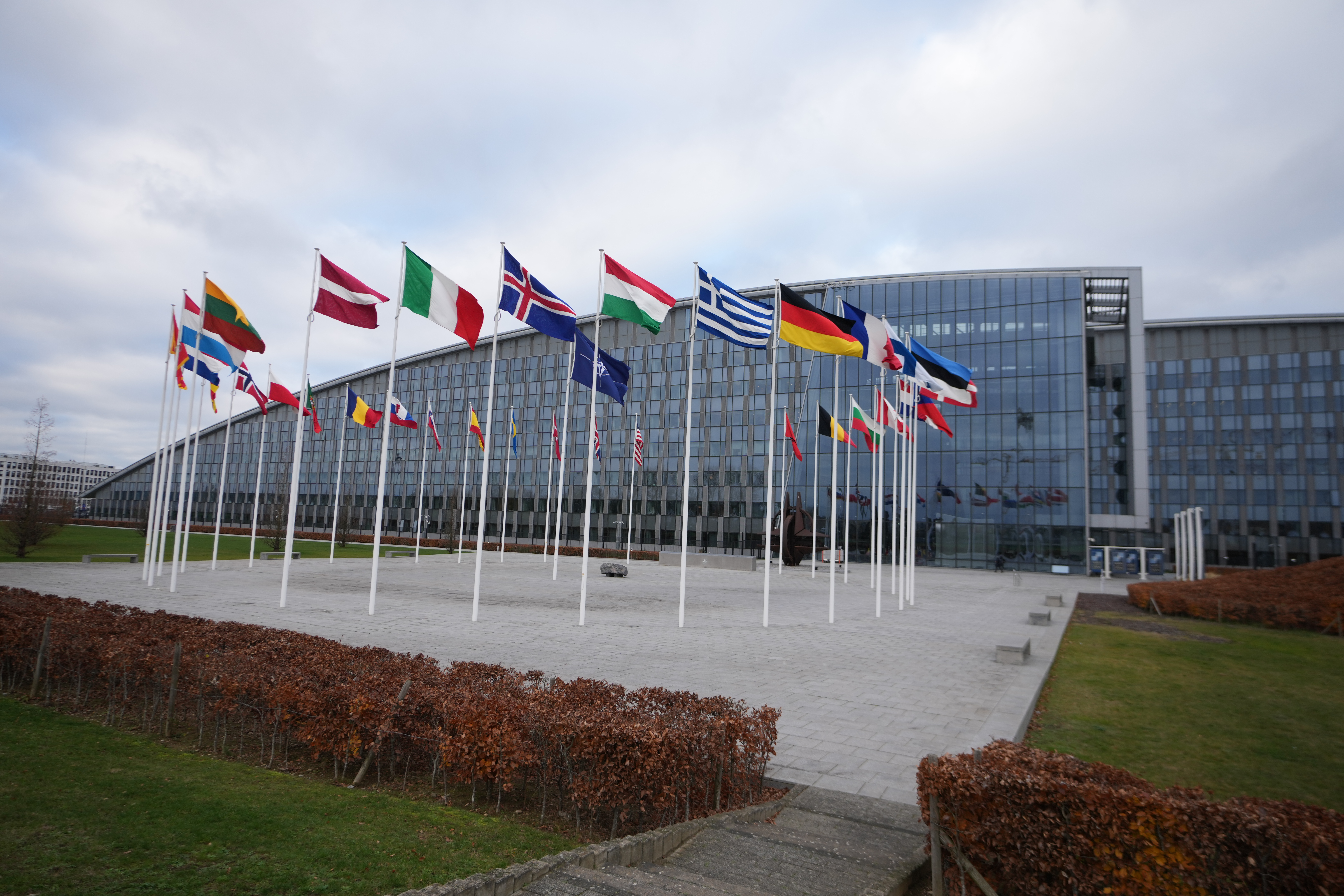
Right now, Western intelligence agencies are scrambling after Belgian authorities arrested a Canadian national working as an intern at NATO's top military headquarters. The suspect, a young woman of Chinese origin, sat inside the Supreme Headquarters Allied Powers Europe (SHAPE) in Mons, Belgium. She wasn't carrying a microfilm camera or dodging laser grids. She was doing what interns do, blending into the background until internal security flags started blinking red.
Belgian federal prosecutors slapped her with preliminary charges of spying for a foreign power and participating in a criminal organization. It's a stark reminder that modern intelligence gathering doesn't always target generals in smoky back rooms. Often, it targets the bottom of the organizational chart.
How the Trap Sprang Shut
Intelligence operations rarely unravel because of a dramatic midnight shootout. This case started the old-fashioned way: internal vigilance.
According to the Belgian Federal Prosecutor's Office, SHAPE's internal security team spotted suspicious behavior and escalated the file to Belgium's General Intelligence and Security Service (SGRS). Once national security agencies took the wheel, things moved fast.
On July 23, officers from the Charleroi Federal Judicial Police executed coordinated raids. They hit her private residence and searched her physical desk inside the heavily guarded NATO compound. Computer crime units and forensic teams scraped hard drives and seized physical items. By Friday, July 24, an investigating judge at the Hainaut Court of First Instance formally issued an arrest warrant.
NATO officials are playing down the operational fallout. A spokesperson for SHAPE insisted that command structures, ongoing tasks, and operational readiness remained entirely unaffected. They claim standard safeguards caught the threat before critical damage occurred.
Maybe that's true. Or maybe it's the standard public relations script you roll out when an adversary slips past the velvet ropes of your most sensitive alliance.
Why Entry-Level Workers Are Prime Targets
If you want to understand why a foreign actor would compromise a low-ranking intern, look at standard security clearance blind spots.
Senior officers undergo rigorous, multi-layered background checks that take months or years. Their digital footprints are monitored, and their professional histories are audited. Interns, junior contractors, and temporary administrative staff often slide through a different filter. They need basic access to function, but they rarely command the same level of continuous counter-intelligence scrutiny.
Foreign intelligence services know this. They invest heavily in recruiting individuals before they hit career peaks. An intern sitting near planning rooms for Allied Command Operations has a front-row seat to schedules, administrative structures, travel itineraries, and unclassified working documents that, when pieced together, build a comprehensive mosaic of alliance vulnerabilities.
The Belgian prosecutor's office kept quiet about the specific foreign power or criminal syndicate pulling the strings. But pointing fingers at structural weaknesses is more important right now than naming the ultimate beneficiary. Western intelligence networks face a persistent threat from hostile actors using online recruitment platforms, proxy groups, and long-term asset positioning to infiltrate cooperative defense programs.
The Fallout for Canada and NATO
Canada's Department of National Defence and the Canadian Security Intelligence Service (CSIS) find themselves under an uncomfortable microscope. Ottawa has spent months dealing with warnings from allies about foreign interference and the aggressive tactics used by intelligence services targeting diaspora communities and young professionals.
When a Canadian passport holder gets slapped with espionage charges at the beating heart of transatlantic security, it triggers immediate diplomatic friction. Questions will follow about vetting processes, pre-deployment screening, and how a person linked to a criminal organization secured clearance to step foot inside SHAPE.
Alliance politics require trust. When an intern breaches that trust, the ripple effects hit every member state contributing personnel to European defense operations.
Keep an eye on how vetting standards shift across international postings over the next few months. Lower-level clearance processes are about to get a lot more painful.