The top of the world is melting, and it's dragging Europe into a high-stakes geopolitical scramble. Forget distant climate models for a second. The real story happening right now in the Far North is about maritime shipping lanes, vast untapped mineral reserves, and an aggressive Russian military buildup that has European leaders sounding major alarms.
For years, the icy expanses of the Arctic served as a natural barrier. That ice is thinning fast. As global temperatures climb, commercial shipping lanes are opening up, promising faster transit between Europe and Asia. But those same melting routes are inviting trouble. Russia is heavily militarizing its northern coastline, upgrading bases, and testing the limits of international law.
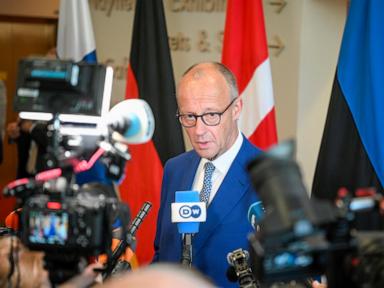
European officials recently gathered in Rovaniemi, Finland, for the European Arctic Summit to confront this changing reality head-on. German Chancellor Friedrich Merz didn't mince words at the event. He bluntly stated that the era of ignoring the high north is finished. When countries like Germany start treating the Arctic as a front-line security issue, you know the stakes have shifted.
The Geopolitical Hotspot Nobody Expected
Why are leaders sweating the Arctic right now? It comes down to a toxic mix of climate change, resource hunger, and great power rivalry.
Think about what happens when traditional chokepoints like the Strait of Hormuz face conflict and instability. Global supply chains panic. Shippers look for alternatives. The Northeast Passage along Russia's northern coast suddenly becomes an attractive, time-saving commercial highway. But sailing those waters means dealing with Moscow.
Russia views the Arctic as its sovereign backyard. They've poured billions into reopening Soviet-era military installations, deploying icebreakers, and asserting control over regional traffic. Recent incidents prove how volatile things have become. Take Norway's seizure of a Russian vessel in the remote Svalbard archipelago at Ukraine's request. Moscow hit the roof, condemning the action immediately. It's a clear signal that the war in Ukraine has spilled over into polar waters.
Meanwhile, China isn't sitting on the sidelines either. Beijing has steadily expanded its trade footprint through polar routes, labeling itself a "near-Arctic state" and eyeing the region's rich mineral and energy deposits.
The Greenland Pressure Point
It's not just Russia and China causing headaches for European capitals. The European Union has also been scrambling to manage intense diplomatic friction with the United States over Greenland.
Washington's persistent pressure regarding the self-governing Danish territory has put EU leaders in a tight spot. Greenland's government wants no part of foreign acquisition. To shore up stability, European Commission President Ursula von der Leyen recently announced a 200 million euro support package for Greenland. The funds are earmarked for climate adaptation, internet connectivity, and modernizing fisheries and hydropower. It's basically a defensive maneuver to keep the strategic island anchored firmly within the European sphere of influence.
What Europe Is Doing About It
For the longest time, the EU lacked a cohesive defense strategy for its northern borders. That's changing this autumn when the bloc releases its heavily revised Arctic policy. For the first time, security will take center stage instead of just environmental protection.
Individual nations are also taking matters into their own hands. Finland recently joined France's "forward deterrence" framework, plugging into a network of ten countries aiming to leverage French nuclear capabilities for broader continental defense.
The wake-up call has finally landed. The Arctic is no longer a quiet frozen wasteland. It's the newest arena for global dominance, and Europe is rushing to defend its backyard before it's too late.
EU Moves To Secure Arctic As Russia Threat Grows
This video provides a helpful visual overview of how melting sea ice, shifting trade routes, and growing military pressures are reshaping the Arctic geopolitical landscape.
http://googleusercontent.com/youtube_content/1


