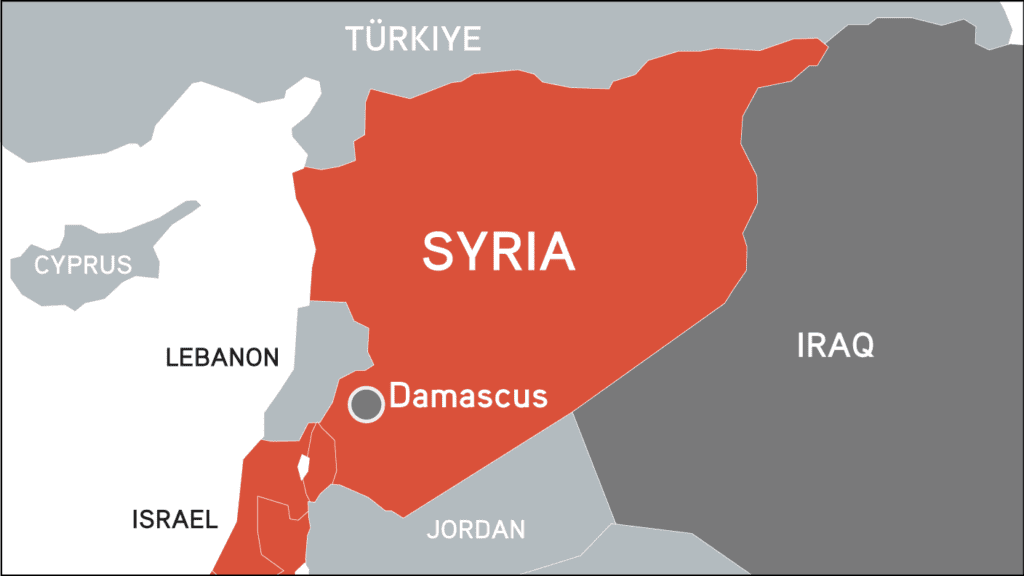
You won't find many political shifts quite like this one. Syrian President Ahmed al-Sharaa just signed Decree No 164, appointing Mazloum Abdi—better known as the former commander of the Kurdish-led Syrian Democratic Forces—as an official adviser to the presidency.
Let's cut right to the chase. This isn't just another bureaucratic shakeup in Damascus. It marks the definitive end of an era for northeastern Syria, wrapping up years of autonomous military rule and forcing a complete restructuring of the country's political fabric. Expanding on this topic, you can also read: Why The Republican Midterm Convention In Dallas Was A Massive Gamble.
The Reality Behind the Dissolution
If you've been tracking Middle Eastern politics, you know that the Syrian Democratic Forces operated as an independent de facto authority for over a decade. They fought the toughest battles against the Islamic State group, backed by international partners. But history moved fast after the fall of Bashar al-Assad's regime in late 2024.
President Ahmed al-Sharaa made unifying the nation his absolute priority. Following a series of tense negotiations, broken deadlines, and brief military flare-ups in cities like Raqqa and Deir Az Zor, the writing was on the wall. Mazloum Abdi announced the total dissolution of the SDF and its integration into the central Syrian military apparatus. Analysts at The Guardian have provided expertise on this matter.
Days later, the presidential decree made it official. Abdi transitioned from a battlefield commander into a high-level state political adviser.
What This Means for State Control
Damascus wants total sovereignty. For years, the central government held zero sway over the oil-rich and agriculturally vital northeast. By folding the SDF into the national defense and interior ministries, al-Sharaa achieved what his predecessors couldn't.
Critics might call it a forced surrender of Kurdish autonomy. Supporters argue it's the only path toward a functional, unified Syrian state that can rebuild after a devastating civil war. Either way, the power dynamics have shifted permanently.
Look at the broader institutional changes happening alongside this appointment. The Syrian Ministry of Education recently authorized Kurdish-language instruction in public and private schools. The central administration also recognized Kurdish as a national language and restored citizenship rights. These concessions show that Damascus isn't just absorbing a militia; it's attempting to stitch a fractured population back together.
The Human Element and Political Survival
Mazloum Abdi—born Mustafa Khalil Abdi—has walked a long political and militant road. From his early days in civil engineering studies at the University of Aleppo to leading tens of thousands of armed fighters, his survival and adaptability are striking.
Political analysts point out that moving Abdi into the presidential palace gives the Kurdish community a direct line to executive power. It prevents complete disenfranchisement while letting the central government maintain administrative supremacy. It's a pragmatic compromise born out of pure exhaustion from conflict.
Still, challenges remain massive. Integrating hardened fighters into a conventional national army is notoriously messy. Local factions, external neighbors like Turkey watching every move, and economic devastation mean that Abdi's advisory role won't be a cushy title. He has to deliver real results for the communities he once led autonomously, now operating within the strict confines of central state authority.
Stop expecting quick fixes in Damascus. This transition is going to take years to smooth out. Keep your eyes on how the northeastern provinces adapt to military integration and whether central policies genuinely protect minority rights on the ground.
Appointing Mazloum Abdi as an Advisor to the Syrian President is a Significant Historic Step
This video provides an expert analysis regarding the historical significance of Mazloum Abdi stepping into a presidential advisory role in Damascus.