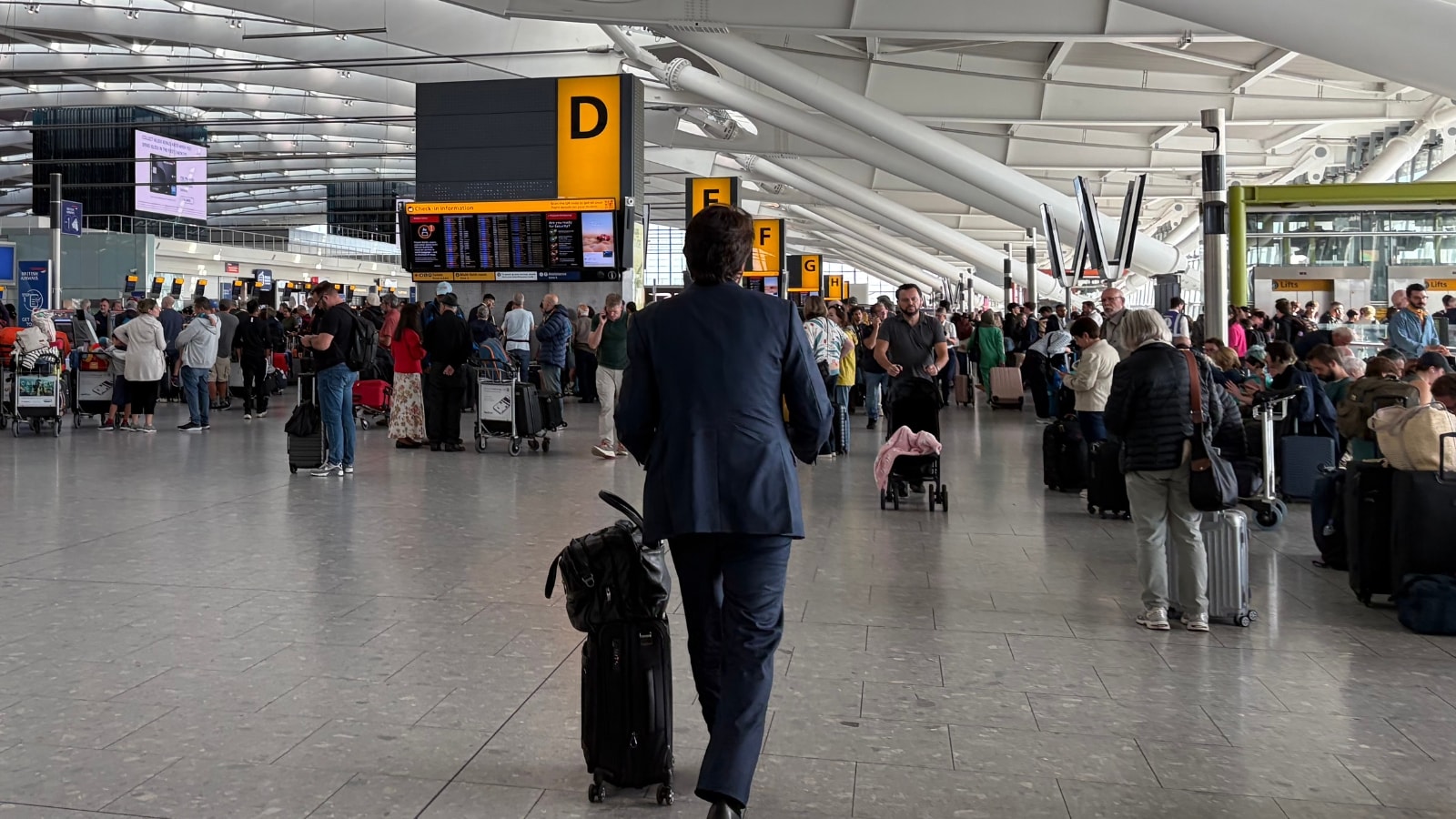
Another software hiccup. Another thousand grounded flights. Tens of thousands of people trapped on tarmac or sleeping on terminal carpet. Honestly? It's getting exhausting.
When the UK's National Air Traffic Services, or NATS, choked on a technical gremlin yet again, it didn't just snarl traffic across Heathrow, Gatwick, Manchester, and Birmingham. It exposed a dirty little secret of modern commercial aviation. The whole fragile architecture is relying on brittle digital plumbing. You buy a ticket, you trust the machine, and then a single automated sub-system trips over its own feet.
Let's look past the corporate press releases for a second. What actually happens when NATS loses its mind?
The Physics of a Digital Meltdown
Nobody fell out of the sky. Planes in the air stayed safely in the air. That’s the first thing hysterical social media posts get wrong.
When a flight-processing system hiccups, safety doesn't get compromised—capacity gets murdered. Air traffic controllers can't track thousands of electronic flight strips automatically anymore. They have to revert to manual processing. Think of a high-speed motorway suddenly dropping from six lanes to a single dirt track, with toll collectors writing down license plates with a stubby pencil. It's safe. It's also glacially slow.
So the system does the only thing it can do: it pulls the emergency brake. It stops letting new planes into the airspace.
If you're sitting inside an Airbus A320 parked on the apron at Gatwick for three hours while the cabin crew hands out lukewarm water, you aren't a victim of a mid-air crisis. You're a victim of a throughput bottleneck. The plane is fine. The crew is fine. The software running the handoff between domestic and international waypoints just had an existential crisis.
Why This Keeps Happening
This isn't an isolated fluke. If you have a decent memory, you remember the August Bank Holiday meltdown of 2023. Back then, a rogue flight plan featuring duplicate waypoint names outside UK airspace threw both the primary and backup systems into a panic, stranding over 700,000 passengers. Fast-forward to the latest collapse, and airline chief executives like Ryanair's Michael O'Leary are openly calling for heads to roll, labeling the repeat performance an absolute re-run.
Transport Secretary Heidi Alexander gave NATS a tight one-week deadline to explain itself. An independent review by the Civil Aviation Authority is spinning up. Ministers are making the obligatory stern faces in the House of Commons.
Spoiler alert: nothing fundamental changes until the software architecture gets ripped out by the roots.
The aviation industry suffers from a dangerous illusion. It treats core infrastructure like legacy enterprise software—patch it, test it on a staging environment if you're lucky, and pray it doesn't collide with an edge case on a busy Tuesday afternoon. When you have thousands of commercial jets crisscrossing European skies, an edge case isn't a rare anomaly. It's a mathematical certainty that will happen eventually.
What the Airlines Won't Tell You While You Wait
When your flight gets axed because a computer in Hampshire threw an exception, the PR machine kicks into gear. You get a text message blaming "unforeseen air traffic control restrictions."
Technically true. Ethically slippery.
The moment NATS drops capacity, the real domino effect begins. Planes and flight crews are locked in a rigid, hyper-optimized choreography. If a plane from Dublin misses its morning turn at Manchester, it can't operate its evening leg to Faro. Crews time out under strict European flight-duty regulations. By hour four of a system outage, the initial software glitch is no longer your primary problem. Your primary problem is that your captain has legally timed out in a Holiday Inn express parking lot outside Luton.
Passengers sitting in the terminal usually make three classic mistakes that drain their energy and their wallet:
- Queuing up at the airline desk: There are two hundred angry people ahead of you in physical line, and three agents. Meanwhile, the phone support queue has five hundred callers. Open the airline's mobile app or log onto Twitter/X and hit customer support there. Digital queues move ten times faster than physical ones.
- Accepting the first voucher or rebooking: Airlines will casually try to stick you on a flight forty-eight hours later. Under UK and EU passenger rights regulations, if they can't get you out on their own network within a reasonable timeframe, they are legally required to book you onto a rival carrier—even if it costs them three times the original ticket price.
- Throwing away receipts: Every coffee, sandwich, bottled water, and hotel room you buy while stranded is an enforceable debt. Keep the paper. Keep the digital receipt. Submit it.
The Hard Truth About Air Travel Resilience
We treat commercial aviation like a high-tech miracle, and to be fair, floating four hundred people across an ocean at five hundred miles per hour kind of is.
Yet the nervous system guiding those planes is taped together with fragile legacy code and political penny-pinching. Until aviation regulators treat air traffic control software with the same ruthless redundancy standards applied to jet turbine blades, these thousand-flight blackouts will keep returning like a bad sequel.
Next time you book a late-August flight or a high-density holiday route through British airspace, stop assuming the tech is bulletproof. Pack a portable charger in your carry-on, keep an offline copy of your travel insurance policy handy, and remember that when the screens turn red, the human at the gate knows just as little as you do.