Every April, millions of honest Americans sit at their kitchen tables, meticulously tracking receipts, double-checking W-2s, and paying every single dollar they owe. They follow the rules because they believe the system applies to everyone equally. It doesn't.
While everyday earners have taxes automatically docked from their paychecks down to the last penny, wealthy individuals and massive corporations use armies of expensive lawyers to shield their fortunes. When the government backs down from auditing high earners due to budget cuts or political pressure, it sends a dangerous message. Letting tax cheats off the hook is costing America dearly, draining public funds that should be building roads, funding schools, and repairing broken infrastructure. Also making headlines lately: Why Iceland Opening A Supermarket In The Falklands Is A Big Deal.
Let's look at why this enforcement gap persists and what it actually means for your wallet.
The Real Cost of the IRS Enforcement Gap
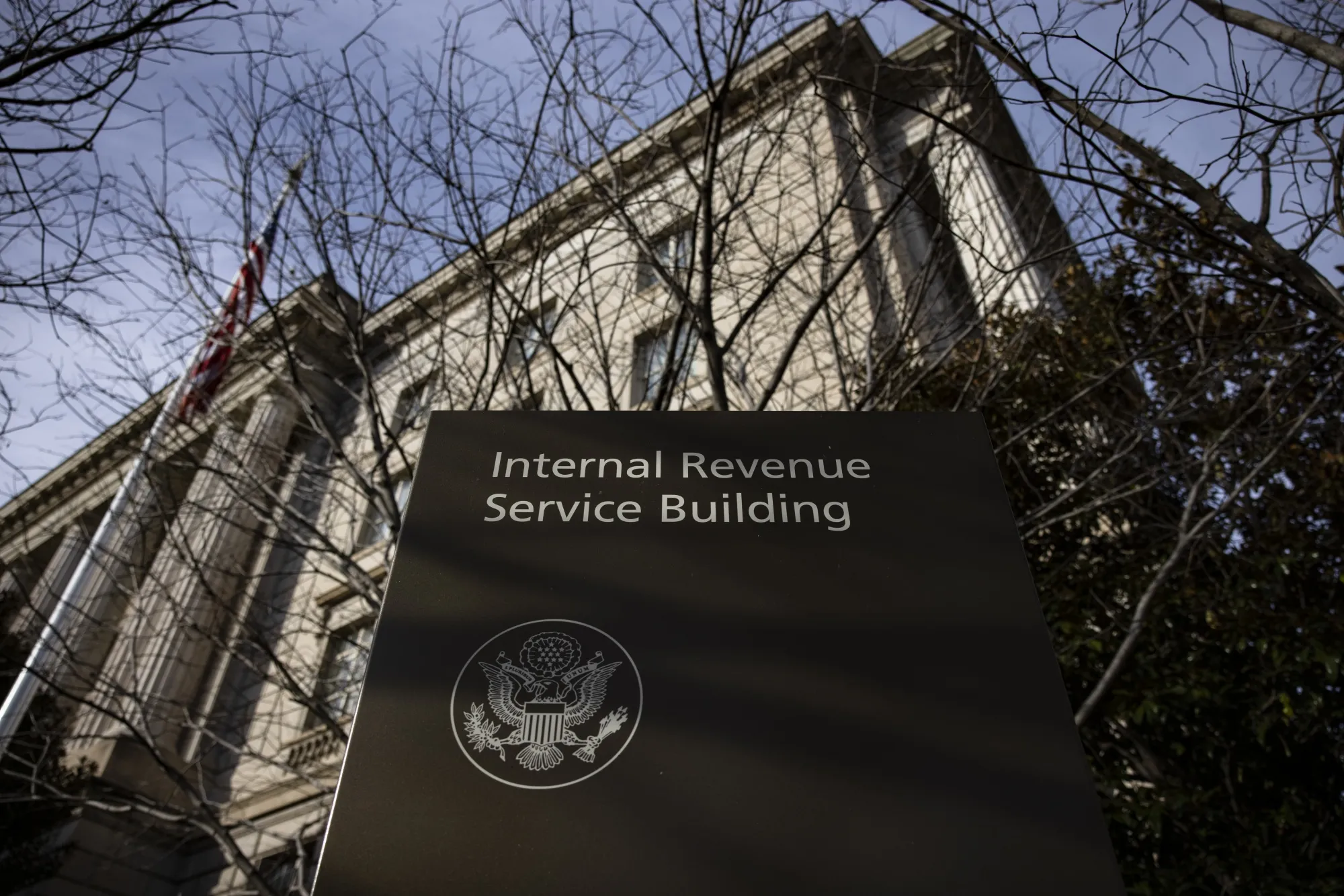
For years, the Internal Revenue Service faced severe funding cuts. Congressional fights crippled its ability to audit complex corporate structures and multi-million-dollar portfolios. The math is simple. If you cut the staff whose job is to investigate high-end tax evasion, high-end tax evasion goes up. Additional information on this are explored by The Wall Street Journal.
When tax cheats walk away with money that rightfully belongs in the public treasury, the government faces a massive revenue shortfall. That deficit doesn't just vanish. It turns into higher national debt, underfunded public services, or heavier tax burdens shifted onto middle-class workers who cannot hide their income offshore or disguise capital gains as business expenses.
Tax avoidance at the top creates a silent regressive tax on everyone else. You are paying for the infrastructure shortfalls caused by people who can easily afford to contribute but choose not to.
How the Wealthy Hide Their Money in Plain Sight
Ordinary people pay income tax on a salary. Wealthy individuals rarely earn traditional salaries. Instead, they accumulate wealth through assets, stocks, real estate holdings, and complex offshore trusts.
When you borrow against your own stock portfolio rather than selling it, you technically realize zero income. That means zero income tax. Financial advisors package these strategies as clever wealth preservation. In reality, they starve public systems of vital resources.
The strategy relies on three main pillars:
- Exploiting loopholes in international tax havens.
- Disguising personal luxuries as corporate business expenses.
- Delaying or avoiding capital gains realizations indefinitely through complex estate maneuvers.
When tax authorities lack the specialized forensic accountants needed to untangle these webs, the cheats win. Investigations stall. Statutes of limitations expire. Billions of dollars simply evaporate from public reach.
The Myth of the Overburdened Small Business
Politicians often argue that aggressive tax enforcement hurts small businesses and hardworking entrepreneurs. It is a convenient smoke screen. Funding increases and modern technology targeted at tax compliance focus almost exclusively on high-income earners making over four hundred thousand dollars a year, not the local bakery or independent mechanic.
The average wage earner has zero room for creative accounting. Your employer reports your earnings directly to the government. There is no hiding. The enforcement gap exists entirely at the upper echelons of wealth, where complexity shields noncompliance.
Protecting large-scale tax evasion under the guise of defending small businesses is an insult to every honest taxpayer who carries more than their fair share of the national load.
What Needs to Change Right Now
Fixing this crisis requires political backbone and sustained financial investment in regulatory agencies.
First, funding for the IRS must remain protected against political defunding campaigns. Auditors need modern data tools and top-tier talent to match the sophisticated strategies used by corporate tax lawyers.
Second, tax transparency laws need teeth. Offshore shell companies hiding untaxed capital should face aggressive asset seizures and criminal penalties that actually sting, rather than minor fines that rich corporations treat as a simple cost of doing business.
Stop accepting the premise that tax evasion by the wealthy is too complicated to fix. Demand that lawmakers close loopholes and hold high-income tax cheats fully accountable for the public debt they help create.