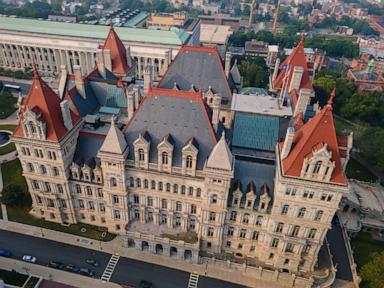
The arrest of 35-year-old Jessica Bowie this week marks a sobering reminder of how thin the line between radicalization and action can be. Federal authorities charge that Bowie, an Albany resident, spent weeks plotting to bomb the New York State Capitol. Her goal was terrifyingly simple: to kill state senators and damage the government structure because she believed recent legislative actions insulted her faith.
This wasn't some long-term, deep-cover sleeper cell operation. It was a rapid descent into extremist ideology fueled by online echo chambers, monitored by the FBI for just over a month before they intervened. If you're wondering how someone goes from a private citizen to someone scouting the Capitol with intent to kill, you’re asking the right question.
The anatomy of the plot
According to the federal criminal complaint, Bowie’s path to radicalization began roughly five years ago when she converted to Islam. By May 2026, her online activity had shifted to clear, public support for terrorism. The FBI noticed. When her rhetoric moved toward concrete plans in mid-July, the agency activated a sting operation using confidential informants posing as ISIS facilitators.
The sheer brazenness of the plan stands out. Bowie didn't just talk; she made five documented reconnaissance trips to the Capitol grounds between July 21 and August 9. She took photos of the building, mapped out security measures, and discussed her desire to "destroy as much of the building as possible" while the legislature was in session.
She eventually purchased bomb-making materials, including nails intended to act as shrapnel, at a local hardware store. By the time FBI agents arrested her near a McDonald’s after she took possession of an inert explosive device and a firearm, she had already discussed plans to flee the country for Syria. She even allegedly scoped out potential future targets like Times Square and the White House.
Why this case matters for public safety
You might think that because the legislature hasn't been in session since June, the risk was lower. Don't fall for that sense of security. The threat wasn't just about the current legislative calendar; it was about the intent to disrupt the American political system.
The FBI’s involvement in this case highlights a critical shift in how federal agencies manage domestic threats. They didn't just wait for an act of violence. They utilized informants to engage, monitor, and eventually neutralize the threat by providing her with dummy materials. It's a high-stakes game. By the time of her arrest, Bowie reportedly told agents, "There’s no helping me, you guys know enough," indicating she understood the gravity of the federal charges she now faces.
The broader reality of political violence
This isn't just about one person in Albany. It's part of a larger, uglier trend in domestic security. Governor Kathy Hochul has already noted that New York had increased security across state buildings earlier this year specifically because of the rise in political violence and threats against officials nationwide.
We’re seeing a pattern where local, state, and federal law enforcement are increasingly forced to play defense against "lone wolf" actors who are radicalized by online content rather than traditional organizations. These individuals are often harder to track because they don't have the logistical footprint of a structured group.
What happens next
Bowie is currently in federal custody facing a charge of attempting to provide material support to a designated foreign terrorist organization. This carries a maximum sentence of 20 years in prison. The DOJ is taking a hard line here. John Sarcone, the first assistant U.S. attorney for the Northern District of New York, didn't mince words, calling it an "attack on democracy itself."
If you’re concerned about safety in your own community, recognize that the current threat model relies heavily on vigilance. Law enforcement is clearly watching online platforms, but they can't be everywhere. Authorities rely on reporting suspicious behavior—like sudden, extreme shifts in someone's rhetoric or abnormal interest in security infrastructure—to stop these plots before they reach the stage of buying nails for a bomb.
We are living in an era where the digital and physical worlds collide in the most dangerous ways. This incident in Albany should serve as a wake-up call that federal agencies are watching, but the responsibility for a secure society is shared. Keep your eyes open, stay informed, and don't assume that local government buildings are immune to the reach of global extremism.
Watch the FBI report on the Albany plot
This video provides a direct overview of the FBI's account regarding the arrest of Jessica Bowie and the specific intent behind the thwarted Capitol attack.
http://googleusercontent.com/youtube_content/1