A frantic search effort kicked off near the Bahamas after an aircraft carrying four people vanished from radar screens roughly 15 miles off Andros Island. If you are tracking the details of this developing emergency, the big question is simple. What happened to the flight, and are there survivors?
The flight originally departed from Great Harbour Cay in the Bahamas and was scheduled to touch down at Miami Executive Airport in Florida. Somewhere along that route, tracking data showed the aircraft spinning erratically before dropping off the radar entirely. Local authorities and international rescue teams scrambled immediately.
The Emergency Response and US Coast Guard Involvement
When a plane goes down over open water, every single minute counts. The Royal Bahamian Defence Force requested urgent assistance from the United States Coast Guard around two o'clock in the afternoon local time.
The US Coast Guard deployed an HC-144 Ocean Sentry airplane to sweep the area and support local Bahamian crews. Officials confirmed that four people were on board the aircraft at the time of the incident. Rescue ships and spotter planes continue to scour the waters off Andros Island, dealing with vast ocean swells and challenging maritime conditions.
Weather Factors and Flight Data Complications
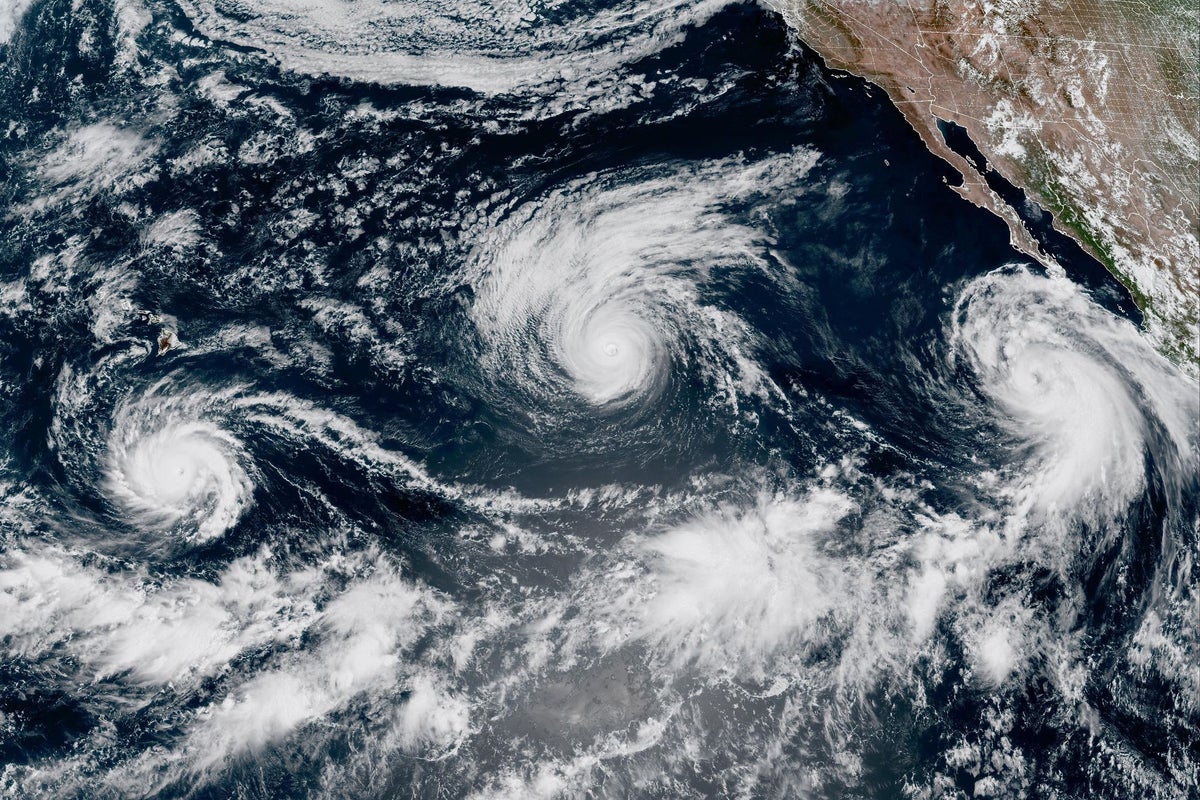
Did a rogue storm bring the plane down? Aviation experts are looking closely at regional weather data. Reports surfaced of heavy, erratic storms in the area around the time the flight went off-grid.
Flight tracking maps paint a confusing picture. The aircraft did not maintain a steady heading. Instead, data indicates the plane spun around multiple times before disappearing completely. This sudden loss of control points either to severe mechanical failure, spatial disorientation in bad weather, or a sudden structural breakup. Until investigators pull debris from the ocean floor, nobody can say for certain.
What Happens Next in the Search
Maritime rescue missions in the Atlantic face massive logistical hurdles. Strong currents push wreckage miles away from the initial last-known radar position. Teams are relying heavily on drift modeling to predict where floating debris or life rafts might end up.
If you are following this story, temper your expectations for quick answers. Recovering a downed aircraft from the ocean takes days, sometimes weeks. Authorities will release verified updates as soon as recovery teams pull concrete evidence from the water. Keep your eyes on official statements from the Royal Bahamian Defence Force rather than unverified social media rumors.