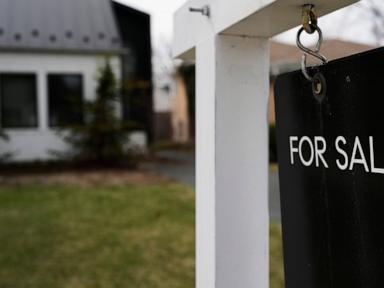
If you are trying to buy a house right now, you already know the math feels punishing. Mortgage rates are creeping back up, dragging the benchmark 30-year fixed home loan to levels we saw a month ago, and buyers are feeling every basis point.
The 30-year fixed rate mortgage recently edged up to 6.66% and has since nudged even higher toward 6.71%, according to Freddie Mac data. If you are watching your monthly budget shrink, you aren't imagining things. Small shifts in these numbers translate to hundreds of dollars more in interest over the life of a loan, instantly cutting into what you can afford.
Let's look at why these rates are bouncing around and what you should actually do about it.
Why Mortgage Rates Keep Acting Up
People assume mortgage rates track Federal Reserve announcements step-for-step. They don't. While the Fed dictates short-term policy rates, long-term mortgage loans generally follow the trajectory of the 10-year Treasury yield.
Right now, bond market investors are spooked. Lingering geopolitical conflicts—including tensions involving the U.S. and Iran—have kept crude oil prices unstable. When oil spikes, inflation fears return. Bond investors demand a higher return to hedge against that inflation, driving up the 10-year Treasury yield.
Add in mounting anxiety over the U.S. government's growing national debt, and you have a recipe for stubborn bond yields. When yields climb, your home loan gets more expensive. It is that simple.
The Real Impact on Your Buying Power
Numbers on a screen look abstract until you try to sign a contract. A jump from 6.5% to 6.7% might sound tiny, but on a typical mid-sized home loan, it adds thousands of dollars in lifetime interest and punches a hole right through monthly debt-to-income ratios.
Sellers aren't lowering prices fast enough to compensate. As a result, the housing market remains stuck in a holding pattern. Buyers are choosing to wait it out on the sidelines, hoping for a break that keeps getting delayed.
If you are shopping for a 15-year fixed-rate mortgage instead, you aren't immune either. Those rates have hovered around the 5.98% to 6.04% mark, making refinancing a less attractive option for homeowners locked into much lower pandemic-era rates.
How to Navigate This Market Without Losing Your Mind
You can't control global oil markets, federal debt, or Freddie Mac surveys. You can control your own strategy.
- Shop around relentlessly. Different lenders offer vastly different spreads. Never take the first quote your real estate agent hands you. Get at least three formal loan estimates.
- Consider buying down your rate. If you plan on staying in a home long-term, purchasing discount points up front can lower your monthly payment substantially. Run the break-even math to see if it makes sense for your timeline.
- Focus on your credit score. Lenders are tightening standards when rates rise. Moving your score from the mid-600s to over 740 can save you a massive chunk of change each month at current market prices.
Stop waiting for rates to magically plunge back to three percent. They aren't coming back anytime soon. Build your budget around today's reality and make your move when the right house appears.