Most longevity advice is boring. Eat your greens, sleep eight hours from midnight, run three miles a day, and avoid stress like it's a toxic ex. But human biology doesn't care about rigid rules. Case in point: Wang Dinggao.
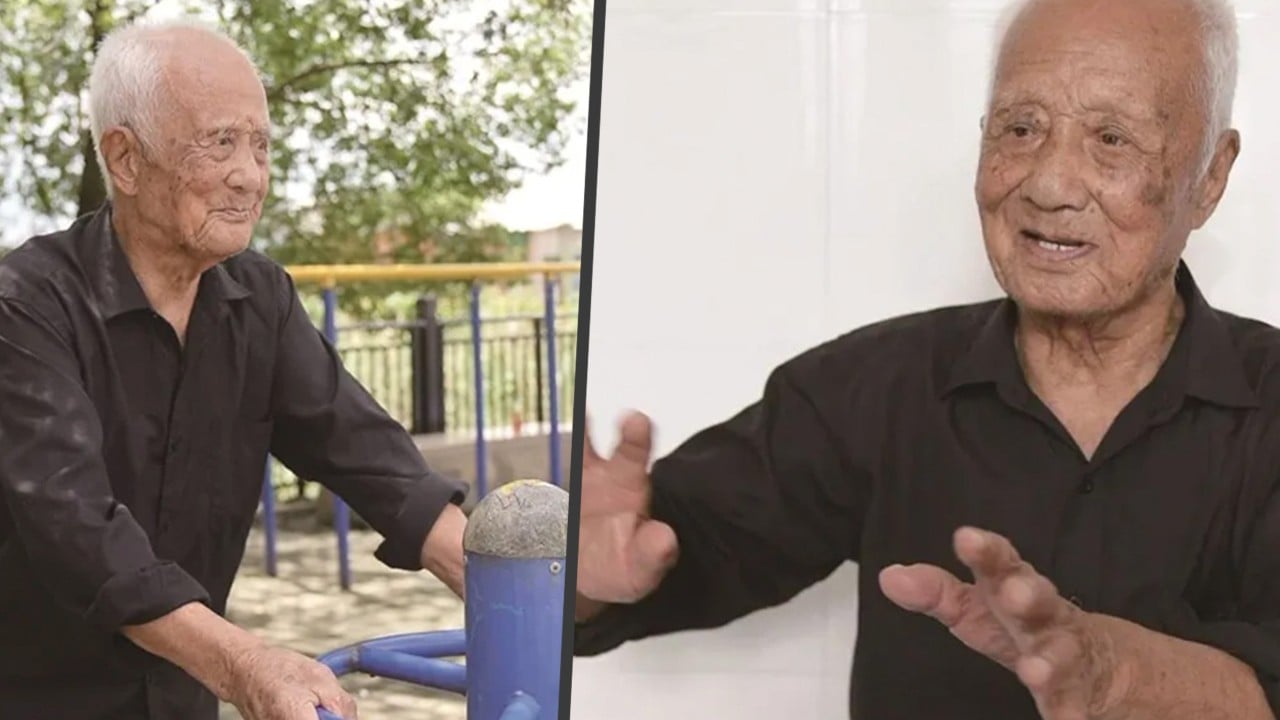
At 106 years old, this resident of Rui'an in China's Zhejiang province laughs at standard wellness templates. He operates on a completely different clock. While the rest of the world gets ready for dinner, Wang heads to bed at 4:00 PM or 5:00 PM. He wakes up when the clock strikes 1:00 AM, eats breakfast before dawn breaks at 3:00 AM, and heads out for his morning walk while the streets are still pitch black. Discover more on a related topic: this related article.
It sounds chaotic. It defies every modern sleep hygiene guideline written. Yet, Wang is thriving, fully independent, and pulling off feats that people half his age struggle to manage.
The Reality of the Reverse Schedule
You might wonder how a 106-year-old sustains such an unusual timeline without crashing. The secret isn't a team of high-priced doctors. It is adaptation and radical consistency. More analysis by The Spruce explores similar views on this issue.
Wang's son had to completely restructure his own daily life to match his father's bizarre rhythm, waking up in the dead of night to cook breakfast and keep him company. Instead of forcing an elderly relative into a socially acceptable box, the family chose accommodation. That kind of supportive environment matters way more than any fancy supplement stack.
Beyond his sleep cycle, Wang handles his own laundry, takes baths unassisted, and even does precision sewing. He didn't outsource his physical autonomy just because he crossed the century mark. His diet is remarkably unfussy, featuring fresh river crabs, seafood, and the occasional glass of baijiu shared with his son. He eats what he likes. He moves when he wants.
Eighty Years of Conflict Resolution
Longevity isn't just physical. It is psychological. Wang spent eighty years married to his wife, Hong Ailan, before her passing. Together, they raised a son and built a household spanning four generations, earning local fame as the village's model couple.
Neighbours didn't just admire them; they used them as arbiters. Whenever community disputes flared up, people brought their arguments straight to Wang and Hong.
The dynamic worked because of an emotional strategy that most modern couples completely ignore. Their son noted a sharp contrast in their temperaments: Hong was quick-tempered and fiery, while Wang was remarkably calm and gentle.
When his wife lost her temper, Wang never escalated. He didn't raise his voice or start a shouting match. He would walk to the kitchen, pour a cup of warm water, hand it to her, and say with a smile: "Have some water first, then you can continue being angry".
That single habit defused decades of potential domestic warfare. It is a masterclass in emotional intelligence. You don't win an argument by shouting louder. You win by pausing the chaos.
What Formal Education Misses
Wang's background breaks another popular assumption about success and health. He only completed four years of formal schooling. By traditional metrics, his career options should have been severely limited.
Instead, driven by intense curiosity and raw grit, he picked up skills by watching others. He mastered bamboo weaving, cooking, and rice sculpture, eventually landing a role as a village cashier. He treated life as an ongoing trade school. When his formal education stopped, his actual learning just accelerated.
When Hong passed away, the emotional blow hit hard. Wang grew withdrawn, and his physical health dipped significantly. Grief is heavy enough at thirty; at over a century old, it feels insurmountable. But with constant family support, he clawed his way back. Today, her presence remains woven into the house—from photo frames to a custom handrail she left behind.
What You Can Actually Apply Today
You probably shouldn't start sleeping at 4:00 PM tomorrow. Your job, your family, and modern logistics probably won't allow it. But Wang's story offers a few sharp takeaways that cut through wellness industry noise.
Stop stressing over doing everything the "correct" way. If your body prefers a different rhythm and you can make it work, lean into it. Cultivate patience in your closest relationships instead of matching volatility with volatility. Keep learning new skills long after formal schooling ends.
Take care of your body, keep moving, and stop arguing over things that won't matter next week. Pour a glass of warm water instead.